Archive | Environment

Brewer swaps asphalt for water

Dutch brewer Bavaria has shown it’s not just its beer bottles that are green, with a new initiative designed to cut CO2 emissions as part of the firm’s drive for even greater sustainability. Bavaria has signed a shared transportation agreement with Heinz and Mars, to move their products across Europe by inland waterways.

Beer to the UK is shipped in 45ft containers aboard river barges that head to the port of Rotterdam every day. By sharing the barge with confectionary from Mars and ketchup from Heinz, the full load ensures the environmental impact of distribution is significantly reduced for the three companies.

Bavaria UK Managing Director Mike Teague commented:

“In recent years, Bavaria has undertaken a range of measures to reduce emissions associated with transportation. We send our beers across Europe by train and were the first brewer in Europe to switch our distribution fleet to trucks that meet the low-emission Euro 6 standard.

“Hopefully we will see other European brewers and manufacturers follow our lead and start shipping to Rotterdam by barge for their global exports.”

In recent years the measures taken by Bavaria have reduced transport CO2 emissions by 28%. This commitment to sustainability recently won the brewery a ‘Lean and Green’ award from Connekt, a group dedicated to the development of sustainable logistics in the Netherlands and beyond.

Posted in Environment, Supply chain0 Comments

Half of UK Local Authorities Now Offer Kerbside Recycling of Beverage Cartons

Opportunities to recycle beverage cartons in the UK continue to increase, as the proportion of local authorities collecting them from the kerbside has reached 50%, according to the latest figures from the Alliance for Beverage Cartons & the Environment (ACE) UK.

This milestone represents a 12-fold increase on 2006 levels and follows sustained, close co-operation between ACE UK and its members – Tetra Pak, Elopak and SIG Combibloc – and local authorities and consumer groups. When ACE UK’s own bring-bank system is included, 89% of local authorities collect cartons for recycling.

Ceredigion County Council has become the 203rd local authority, out of 406 nationally, to make it easier for residents to recycle cartons by adding them to its kerbside collection scheme.

A further boost is expected later this year with the opening of the UK’s only beverage carton reprocessing facility at the Sonoco Alcore paper mill near Halifax, West Yorkshire. Capable of recycling 25,000 tonnes of cartons sorted from household and commercial waste streams, the facility will offer a range of benefits to local authorities and their waste management contractors – not least the assurance of a non-export market for this material stream. In fact, cartons collected in 187 local authority areas are already set to come to the new plant for recycling.

“In the year that the UK’s only dedicated recycling facility for cartons is scheduled to open, we are extremely pleased that our strategy to increase kerbside collection and make it easier for residents to recycle cartons is also paying dividends”, says Richard Hands, Chief Executive of ACE UK.

He adds: “In addition to Ceredigion County Council, we would also like to praise the 11 Northern Ireland councils which form the arc21 waste management group. All have now introduced kerbside collection of cartons and plan to send them to the new Sonoco Alcore plant for recycling.”

Each year, approximately 60,000 tonnes of paper-based cartons are used in the UK to package milk, fruit juice and an increasingly wide range of food products, including soup, chopped tomatoes and pulses. This equates to around 2.3kg of cartons per household  which could be recycled instead of being thrown away as waste. 

Beverage cartons are easily recycled using a simple pulping process, where the paperboard and non-fibre layers are separated and turned into new materials. The wood fibres can be used to produce new high-strength paper products, such as cores and tubes for consumer and industrial applications, while the polymer and foil layers can be recycled or used for energy recovery.

ACE UK has a dedicated recycling team which offers advice and support to local authorities and community recycling networks wishing to collect cartons.

Posted in Environment, Packaging0 Comments

New Phase of Courtauld Commitment Targets Further 1.1 Million Tonnes Waste Reduction

The UK grocery sector continues to show its commitment to reducing food and drink waste as 45 signatories have joined the third phase of the Courtauld Commitment. Signatories including all major grocery retailers, and many household brands and manufacturers, could reduce waste by 1.1 million tonnes by 2015, bringing £1.6 billion cost benefits to consumers and industry. The expected 2.9 Mt CO2(e) reduction would be the equivalent of permanently taking one million cars off the road.

The ambitious new third phase targets need to be achieved against a back drop of sales growth and an increase in the amount of food produced in the UK. Courtauld Commitment Phase 3 targets are:

* Reduce household food and drink waste by 5% – this represents a 9% reduction in real terms to counter the expected increase in food purchased.

* Reduce traditional grocery ingredient, product and packaging waste in the grocery supply chain by 3% – signatories will have to make an 8% reduction in real terms to counter the expected increase in production and sales.

* Improve packaging design through the supply chain to maximise recycled content as appropriate, improve recyclability and deliver product protection to reduce food waste, while ensuring there is no increase in the carbon impact of packaging – signatories will have to make a 3% reduction in real terms to counter the expected sales increase.

The agreement is funded by Westminster, Scottish, Welsh and Northern Ireland Governments and delivered by WRAP. It runs for three years from 2013 to 2015, with targets measured against a 2012 baseline.

The new targets could deliver £1.6 billion of savings to consumers, the food and drink sector, retailers and local authorities. Their delivery will also help improve the competitiveness and resilience of the supply chain, and significantly reduce the impact on the environment. The household food waste target alone could prevent enough food waste to fill 55,000 waste trucks.

To achieve the targets, signatories will need to help consumers reduce waste in the home. This will include delivering targeted food waste reduction initiatives, for example with the Love Food Hate Waste campaign, clearer product labelling and improved packaging design, while also tackling their own waste in the supply chain.

Significant achievements were made on optimising grocery packaging under Courtauld 1 and the first two years of Courtauld 2. Adding up achievements under both agreements to date indicates that around 1 million tonnes less packaging have been used. There are now limited opportunities for more substantial reductions in packaging without risking increases in waste.


The focus now is to optimise packaging to reduce food waste and improve recyclability to help consumers and local authorities, while ensuring no increase in the carbon impact against a back drop of increasing sales volume. The target will also help achieve the UK Governments’ ambitious new packaging recycling targets for 2013-2017.

The Courtauld Commitment has a history of achieving change. To date, 2.3 million tonnes of waste has successfully been prevented by the Courtauld signatories and consumers during the first two phases of the Commitment. The value of waste prevented is around £3.5 billion. The final results of Courtauld Commitment 2 will be announced later this year.

Dr Liz Goodwin, WRAP’s CEO, comments: “Courtauld 3 builds on the achievements of Courtauld 1 and 2 by tackling the areas that bring the greatest financial benefits to UK plc and deliver significant reduction in environmental impact. Over the course of the three phases of the agreement, a 20% reduction in UK household food waste is achievable, a deeply impressive outcome.”

Posted in Environment0 Comments

Coca-Cola Hellenic Invests in a New Recycling Plant in Greece

Coca-Cola Hellenic has acquired a minority 10% stake in Filia Environmental Industries, which has just opened a new PET recycling plant, located in Filiates of  Thesprotia, Greece. The investment has already created 27 new jobs, and will help the development of local businesses, create employment and support the local economy. In addition, this investment is in line with Coca-Cola Hellenic’s environmental strategy of using recycled raw materials in its production process.

The new facility will process used plastic (PET) bottles and recycle them to produce 100% recycled plastic flake which will then be used for a range of products such as plastic film, geotextiles, plastic fibres and pallets.

It is estimated that the recycling plant in Filiates will be able to process approximately 12,000 tonnes of used PET bottles per annum, significantly reducing the amount of plastic waste, and allowing these bottles to be used again in the production process leading to a number of important environmental benefits.

“This is the largest plastic recycling plant inGreece. PET is one of our key raw materials in our supply chain. This investment reflects our commitment toGreeceand the local communities in which we operate,” explains Vassilis Lollas, Public Affairs and Communications Manager of Coca-Cola Tria Epsilon, Greece. “In addition, this investment demonstrates our commitment in protecting and preserving the environment.”

The Coca-Cola Hellenic group is a partner in 19 packaging recovery schemes that in 2012 collected and recycled almost 13 million tonnes of packaging waste. In 2007 the company invested in a PET bottle-to-bottle recycling facility in Austria which today process 20,000 tonnes of used PET annually.

Posted in Environment0 Comments

Unilever highlights ‘good business sense’ of sustainability

Unilever has slashed €300m from its costs since 2008 due to sustainability initiatives, while also growing sales 26%, the company said as it unveiled a two year progress report on its Sustainable Living Plan this week.

The company has cut more than one million tonnes of carbon dioxide from its operations in that time – equivalent to taking 250,000 cars off the road, according to Unilever. Manufacturing operations accounted for most of the CO2 savings, at 838,000 tonnes, while logistics accounted for a further 211,000 tonnes.

Measures introduced under the company’s Sustainable Living Plan include combined heat and power (CHP) plants in Europe, which have saved the company €10m and reduced CO2 by 50,000 tonnes. It says it intends to install CHP plants in Mexico and South Africa this year.

And it has also set up 30 cost-efficient biomass boilers worldwide, which supply more than 7% of the company’s renewable energy. Six more are planned for Latin America, Africa and Asia this year.

Eco-efficiency isn’t just about reducing the environmental footprint. It also makes good business sense,” saidUnilever’s group manufacturing sustainability director John Maguire.

“Since 2008 our eco-efficiency programs have avoided more than €300 million of costs – almost €100 million in energy; €186 million in materials; €17 million in water; and €10 million in waste disposal. The benefits are very clear in a world where energy prices are increasing.”

He added that Unilever’s primary focus is to reduce overall energy use by improving the eco-efficiency of its factories, offices and other operations – but financial return is also a part of the equation when choosing new technologies.

“We leverage our global scale by selecting ideas that have the best financial and eco-efficiency payback and then implement them globally,” he said. “We are also committed to ensuring as much as possible of the energy we use comes from sustainable sources, for example 100% of the electrical energy we buy in Europe and North America comes from renewable sources.”

Posted in Environment0 Comments

Spirax Sarco systems help ReFood save energy

ReFood UK Limited is recovering more than 10MWh a day of energy and saving over £80,000 a year thanks to the use of heat recovery systems from Spirax Sarco at its new anaerobic digester (AD) facility at Doncaster.

The AD plant and associated combined heat and power (CHP) engines generate heat and 2.8MW of electrical energy from food waste. But the engines generate more hot water than needed, and that’s where the Spirax Sarco systems come in.

The three heat recovery packages take the excess hot water and use it to carry out three different heating roles within the plant, helping ReFood to save money and reduce emissions.

Robert Smith, PDM special project manager, says: “The Spirax Sarco units have been very effective for the recovery of valuable waste heat which would otherwise be lost to the atmosphere. They make a significant contribution to the PDM Group’s commitment to produce energy from renewable sources and reduce climate change.”

“ReFood is looking to install further units both at the plant in Doncaster and at their future AD facilities for further use in heat recovery.”

Posted in Environment0 Comments

Unilever Sources Over 33% of Agricultural Raw Materials Sustainably

Unilever has announced that it is sourcing more than a third of its agricultural raw materials sustainably, having made significant progress towards its target of 100% by 2020.

With 36% now sourced sustainably, it has exceeded the interim milestone of 30% it set itself in 2010 when launching the Unilever Sustainable Living Plan. The improvement was made against a backdrop of the company reporting annual sales of €51 billion in 2012. Taken together, they represent significant milestones on the way to realising Unilever’s vision of doubling the size of its business whilst reducing its environmental footprint and improving its positive social impact.

Marc Engel, Chief Procurement Officer says: “Climate change, water scarcity, unsustainable farming practices, and rising populations all threaten agricultural supplies and food security. Half of the raw materials Unilever buys are from the farming and forestry industries, so ensuring a secure supply of these materials is a major business issue. However, sustainable sourcing is not only about managing business risks, it also presents an opportunity for growth, allowing brands to stand out in the marketplace”

One example is how Knorr has supported sustainable growth for the Foods category. In September 2012 a new soup launched in France became the first Unilever product to promote an ingredient (tomatoes) as sustainably grown in accordance with the Unilever Sustainable Agriculture Code. This was made possible through the Knorr Sustainability Partnership Fund, which uses €1 million a year to support vegetable suppliers on complex sustainable agriculture projects. This development has boosted shelf standout and competitive differentiation and now Knorr plans to continue to label other products.

For cocoa, 43% was sourced sustainably by the end of 2012. And 64% of cocoa for Magnum was sustainably sourced through Rainforest Alliance certification. To achieve certification, Unilever has been working with supplier Barry Callebaut to run farmer field schools with 20,000 small farmers across West Africa. The schools work with local farmers to build skills and knowledge around sustainable cultivation practices. Then the farmers spread the knowledge through the community. Magnum also shares with its consumers why it works with Rainforest Alliance to source cocoa sustainably: to source high-quality cocoa beans, to increase the income of farmers and deliver social benefits such as improved health and safety practices.

“Investing in smallholder farmers is critical: so far 450,000 have been trained. If smallholders have access to training, better quality seeds and fertiliser they can significantly increase their yields. We know we cannot do this alone which is why we are forming strategic partnerships with suppliers through our Partner to Win programme, NGOs and other stakeholders,” Marc Engel adds.

Posted in Environment, Ingredients0 Comments

P&G reaches zero manufacturing waste to landfill target

Procter & Gamble (P&G) has announced that a majority of its facilities have achieved zero manufacturing waste to landfill

The owner of consumer brands including Gillette, Ariel, Tide and Pampers said that over the past 5 years, P&G’s work to find worth in waste has created over $1 billion in value for the company.

Bob McDonald, P&G president, chief executive and chairman of the board said: We have a vision for the future, where plants are powered by renewable energy, products are made from recycled and renewable materials and resources are conserved, with no waste going to landfill.

“Changing the way we see waste as a company has brought us one step closer to this goal at 45 sites worldwide, where all of our manufacturing waste is recycled, repurposed or converted into energy.”

P&G announced its first zero manufacturing waste to landfill site in Budapest in 2007. Since then, the company said that it has shared a long-term environmental vision, pledging to work toward zero consumer and manufacturing waste worldwide.

Packaging reduction

According to P&G, through quality assurance, packaging reduction, compaction and recycling efforts, the company now ensures that 99% of all materials entering P&G plants leaves as finished product or is recycled, reused or converted to energy.

“There are well-defined systems for recycling materials like paper, plastic and glass, but our product portfolio is incredibly broad, resulting in a diverse set of waste streams to find sustainable solutions for,” said Dr. Forbes McDougall, who leads P&G’s global zero manufacturing waste program.

He added: “We focused on finding solutions for our toughest waste streams at our largest sites, and while initially we saw progress in our overall corporate recycling, the increase in zero landfill sites was slow. Today, we have found ways to divert most of our major waste streams away from landfill, so we’re now seeing new sites achieve zero manufacturing waste to landfill nearly every month.”

Posted in Environment0 Comments

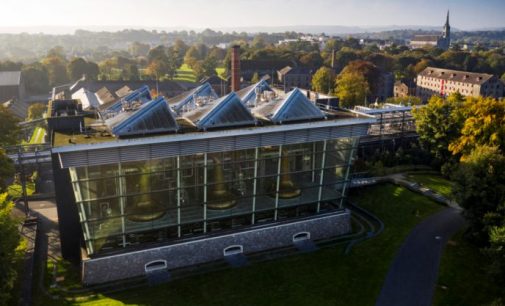
Bombay Sapphire Gin Distillery Achieves World’s First ‘Outstanding’ Design Stage BREEAM Sustainability Accreditation

The Bombay Sapphire gin distillery at Laverstoke Mill in Hampshire has become both the first distillery and first refurbishment to achieve an ‘Outstanding’ design-stage BREEAM (Building Research Establishment’s Environmental Assessment Method) accreditation for its distillery process buildings.

BREEAM is the world’s leading and most widely used environmental assessment method for buildings. It sets the standard for best practice in sustainable design and has become the measurement used to describe a building’s environmental performance. To achieve this design-stage accreditation, the project is assessed using a system of environmental measures grouped by management, health and well-being, energy, transport, water, materials, waste, land use and ecology, pollution, and innovation. The ‘Outstanding’ score awarded to the Bombay Sapphire designs will be validated upon completion when the final certification will be awarded.

The ‘Outstanding’ design-stage rating given to the distillery process buildings at Laverstoke Mill means the buildings have achieved the highest level of sustainable construction, and are expected to be one of the most environmentally friendly distilleries in the world. The completed distillery will see a 60 percent reduction in carbon emissions and nearly an 85 percent improvement over what is required by building regulations. This is as a result of a number of specific technologies incorporated into the distillery’s design, including power generation from the River Test which flows through the site.

The Bombay Sapphire distillery process buildings have been awarded an excellent score of 86.81 percent, the second highest score awarded to an industrial building by BREEAM.

The accolade comes after a careful process that analysed contextual, economic, efficiency and technical feasibility complexities around the site, whilst meeting the specification of building energy efficiency improvements at Laverstoke Mill. The restoration of the site also includes the installation of a combination of on-site renewable energy generating systems, such as power generating photovoltaic cells, a bio-fuelled steam-generating boiler and 6kW hydro-electric water wheel.

The resulting reduction in carbon emissions is particularly striking given that buildings at the site include restored and refurbished Victorian Mill buildings, some of which are Grade II listed (designated as being particularly important and of special interest and protected by UK law), within a Conservation Area and Site of Special Scientific Interest (SSSI).

Emma Johansson, Global Marketing Manager at Bombay Sapphire, says: “This rating, from the world’s most highly respected environmental assessment method, is a testament to all the care, skill and imagination that has ensured this distillery is built with sustainability at its very core. Bombay Sapphire aims to seamlessly fuse the modern requirements of a premium distillery with the original features of the rich heritage of Laverstoke Mill.”

Martin Townsend, Director at BREEAM, BRE Global, said: “BREEAM sets the standard for best practice in sustainable building design, construction and operation and is the world’s foremost environmental assessment method. We are very happy that the Bombay Sapphire team has achieved this ‘Outstanding’ design-stage certification – this is one of the highest scores under BREEAM and a first in the drinks industry. It is particularly impressive given this is a conversion of an existing building.”

The distillery is set to open in Autumn 2013, and is being built on a two hectare brown-field site, near the grounds of LaverstokePark, just 60 miles from London. For 200 years, the site produced high quality paper for the bank notes of India and the British Empire.

The site is being renovated from a derelict mill into a state-of-the-art premium gin distillery and visitor centre encompassing the highest standards in design, functionality and sustainability.

Posted in Environment, News0 Comments

World’s First Guide to Sustainable Sourcing of Agricultural Raw Materials

Seven global organizations, including the Sustainable Agriculture Initiative – SAI Platform, have launched the world’s first practitioner’s guide to sustainable sourcing of agricultural raw materials. The guide is an open source innovation tool that captures, in a single document, real-life best practice and experiences from global corporations within a strategic, business logic focused framework. It empowers managers by providing a user-friendly step-by step roadmap to building and rolling out sustainable agriculture sourcing strategies effectively.

Climate change, increasing pressure on natural resources and continuing poverty and social inequity are affecting crops and water supply globally. As the food and beverage industry is the world’s biggest purchaser of agricultural raw materials, this is a significant industry risk. For a secure, safe and increasing supply, crops must be grown and sourced in a sustainable manner taking full account of environmental, social and economic considerations. Doing this effectively calls for changes in managerial mind-sets and specific knowledge and skill sets.

To help companies convert these risks to business opportunities, a unique collaboration between seven high profile organizations has led to the production of the guide. The guide pools knowledge and resources, but collaborative outreach will also be an important part of assuring its impact. The collaborating partners are: the Sustainable Agriculture Initiative (SAI) Platform, the CSL Learning Platform of IMD’s Global Center for Sustainability Leadership, the International Trade Centre, and the Sustainable Trade Initiative. Furthermore, BSR, the Sedex Information Exchange and the Sustainable Food Laboratory also contributed to the development of the guide and are supporting its outreach.

Dr Ernesto A. Brovelli, President of the SAI Platform and Senior Manager, Sustainable Agriculture with The Coca-Cola Company, comments: ”This work reflects the spirit of the SAI Platform; one which aligns farmers and the food and beverage industry behind a common pursuit. Following a compelling narrative and clear examples, this publication is breaking ground in helping the reader navigate the path towards more sustainable sourcing.”

Posted in Environment, Ingredients0 Comments

Seafood safety on agenda for EU project

An EU project is aiming to assess the contamination risks for seafood from the marine environment and potential affects on human health.

ECsafeSEAFOOD will evaluate the potential impact of any presence of contaminants on public health, in a bid to ensure improved seafood risk management and public awareness.

There is rarely well-defined quantitative links between levels of contaminants in the marine environment and levels in seafood, so there is a need for increased research on the transfer of contaminants from the marine environment to seafood, according to the project brief.

Lack of information

Only limited information is available for those seafood contaminants for which the authorities have set no maximum limits, including priority contaminants such as biotoxins from harmful algal blooms and marine litter.

Ten countries are involved in the scheme which has been split into eight different work packages with each participant responsible for different areas.

Inorganic pollutants with the greatest potential for toxicity range from antimony, arsenic and cadmium, to lead, mercury, selenium, and sulfites (used in shrimp processing).

Among organic pollutants are polychlorinated biphenyls, dioxins, several chlorinated hydrocarbon insecticides, and certain processing-related contaminants (nitrosamines and possibly products of chlorination).

The four year project, which started last month, is being led by the Instituto Português do Mar e da Atmosfera (IPMA, I.P.), Portugal.

The €5m funded project brings together scientists from different disciplines, including: ecotoxicology, biochemistry, nutrition, risk assessment, seafood quality and consumer behaviour and perceptions.

The partnership also includes SMEs in order to facilitate the transfer and uptake of research by interested parties.

Project brief

Dr Antonio Marques, project coordinator, said: “ The ECsafeSEAFOOD project will explore whether there is a relationship between the contamination of the marine environment and the quality of the seafood we consume.

“The health benefits of eating seafood have been proved in many different ways and ECsafeSEAFOOD aims to develop tools to ensure these benefits will continue in the future.

“The ECsafeSEAFOOD project will provide scientific evidence to serve as a basis for the further development of common food safety policies as well as public health and environmental policies and measures.”

Posted in Environment0 Comments

Big Players Join Forces to Improve Environmental Impacts of Their Products

The Co-operative Group, Nestle and Sainsbury’s are going to test ways to improve the environmental performance of some of their products, following new ground breaking research published from the Product Sustainability Forum (PSF). The research looked at the greenhouse gas (GHG) emissions, product waste, and water, energy and resource use of traditional grocery products through their life cycles. Through that it identified priority products – for example potatoes and bread – which offer significant opportunities for improvements across the different types of environmental impact.

As a result, the Co-operative, Nestle and Sainsbury’s are the first companies from the grocery and home improvement sectors that will pilot projects known as ‘pathfinders’, to target their efforts where many of the biggest environmental savings are. More companies will follow. These pathfinder projects will also help to improve the resilience of supply chains and help to manage potential business risks.

The findings of the research report – ‘An initial Assessment of the Environmental Impact of Grocery Products’ – has been published by WRAP on behalf of the PSF.

The research brings together product life-cycle data from over 150 published studies and from PSF members and industry, making it the most comprehensive study of its kind.

Over 3000 data points inform the analysis and provide an invaluable knowledge base for information on product-level environmental impacts. Detailed findings and data sources are provided in the report’s appendices, which contain information for over 200 grocery products.

Dr Liz Goodwin, CEO of WRAP and Chair of the Product Sustainability Forum says: “The main objective of this important research has been to establish which grocery products are likely to contribute the most to environment impacts associated with UK household consumption. By gaining a better understanding of the products that matter in the context of UK consumption, we can help businesses to prioritise their efforts to improve the environmental performance of their products in areas that will generate the biggest economic and environmental savings.”

The Co-operative and Nestle will respectively look at waste prevention and resource efficiency measures across potato, milk and chocolate supply chains, while Sainsbury’s is focussing on its meat, fish, and poultry products as well as produce.

The top 50 product groups, where many of the biggest environmental savings could be made, were grouped at a level considered to be most useful for business, (and are listed alphabetically, by category, below):

* Alcoholic drinks: Cider and perry; Lager; Spirits; Wine

* Ambient: Breakfast cereals; Canned fish and seafood; Canned meat products; Canned vegetables, soups, pasta and noodles; Cat food and dog food; Chocolate; Coffee; Crisps (potato); Processed snacks; Rice; Sugar confectionery; Tea

* Bakery: Biscuits (sweet); Bread and rolls; Cakes, pastries and morning goods

* Dairy: Butter; Cheese; Milk and cream; Yogurt

* Fruit and vegetables: Bananas; Onions; Potatoes; Tomatoes

* Household: Dishwashing products; General purpose and toilet cleaners; Laundry detergents; Toilet paper and kitchen rolls

* Meat, fish, poultry and eggs: Beef (chilled and frozen); Deli food; Eggs; Fish and seafood (chilled and frozen); Lamb (chilled and frozen); Pork (chilled and frozen); Poultry (chilled and frozen)

* Non-alcoholic drinks: Carbonates; Concentrates; Juices

* Other chilled and frozen: Frozen vegetables and potato products; Ice cream and frozen desserts; Margarine; Pizza (chilled and frozen); Pre-packed sandwiches; Ready meals (chilled and frozen)

* Personal care:Bathand shower products and shampoos; Deodorants; Nappies

These products are an initial ‘Top 50’ that will be reviewed and expanded in future iterations of the PSF’s prioritisation effort.

Posted in Environment0 Comments

Video | Corrugated body unveils new character – Mr Corrugated

Fefco, the European corrugated packaging body, has unveiled a new character – Mr Corrugated – to promoted the benefits of the material

The film focuses on key benefits of corrugated material including the industry standard of the “five easies”:  easy to identify, to open, to get on shelf, to access and to flatten and recycle.

At the end of the film, stakeholders are encouraged to visit the ‘Corrugated of Course’ website at www.corrugated-ofcourse.eu, further establishing it as an essential resource which brings together the latest news and stories to highlight how corrugated can bring value in all areas of the supply chain.

Ben Blydenstein, marketing and environment director at FEFCO, said: “Mr. Corrugated focuses attention on the many benefits of corrugated packaging and raises the profile of the ‘Corrugated of Course’ website as an in-depth and easily accessible resource.”

Posted in Environment0 Comments

Tri-Star unveils compostable cup lids for hot drinks

Tri-Star Packaging has launched, what it calls, a ground-breaking new plant-based cup lid for hot drinks that can be composted by consumers at home.

According to the food and drink packaging specialist, this lid comes top in the green stakes because other so-called ‘sustainable’ hot cup lids are usually made of plastic and have to be composted industrially.

By contrast, Tri-Star’s lid is manufactured from a sugar cane pulp known as Bagasse – a renewable material.

According to the firm, Tri-Star’s home-compostable cup lid is capable of withstanding temperatures of up to 100°C without distorting, going soft or popping off.  It is refrigerator and freezer-safe as well as microwave-proof, making it suitable for holding soup products that require heating in the home.

The lid is designed to fit most 12oz, 16oz and 20oz hot drinks cups. In a statement, the firm said: “The lid looks particularly stylish used on ripple cups – or any other cup that has a natural look, perhaps featuring browns and greens.”

Kevin Curran, managing director of Tri-Star, said: “This new home-compostable cup lid for hot drinks is truly ground-breaking.  Our aim is always to offer our customers the latest and best innovations, and this lid is the perfect addition to our range.

“Companies using our new lid will be able to highlight their green credentials to their customers and show they are a business that cares about the environment.  This will play well with modern consumers, who are very engaged with ecological issues, helping to drive loyalty and sales.  Adding this new home-compostable lid to your hot drinks packaging inventory is a small step that could have a huge impact on both the planet and your profits.”

Posted in Environment0 Comments

Consumers Willing to Pay More for Sustainable Packaging

Consumers around the world are willing to pay more for sustainable packaging, according to a global study.

Environmentally friendly packaging that keeps contents fresh is more valuable than that with value-added features, the research indicates.

Conducted by Ipsos InnoQuest, the study found that customers would fork out more for beverage and food packaging that relates to sustainability and freshness.

Global shoppers were presented with a packaging features list and asked which ones they would pay more for. With a global trend, customers were most likely to pay more for packaging sustaining food life span (55 percent) and environmentally friendly packaging (55 percent).

Sustainable Packaging Sales

Following these top two features, 42 percent said they would pay more for reusable packaging, and 39 percent wanting it to be easier to use. Sophisticated features did not seem to motivate customers to fork out more. Only 34 percent of respondents wanted spill or mess preventing packaging, 33 percent would pay more for temperature regulating packaging, and 31 percent thought packaging mobility for on the go consumption was important.

Ipsos InnoQuest’s global CEO, Lauren Demar, said whether marketers are trying to reinvent existing brands or launching new products, packaging plays a significant role in innovating customer-packaged goods.

It is so important in fact, that customers will pay more for certain features, she said.

“As a key driver in the consumer’s decision to buy, packaging features can often be leveraged to charge a premium.”

Consumers value freshness-preserving packaging and packaging that offers environmental benefits, she said the report found.

For marketers, there may be an opportunity to win over consumers and increase revenues through innovative package designs that deliver sustainability of freshness as well as sustainability of the planet.”

While the key findings were reported on a global scale, certain countries were specifically keen to pay more for packaging with sustainable and freshness benefits.

India, Malaysia and South Africa were most likely to pay more for packaging that extends the life of food, while Indonesia, South Africa ad Mexico were most likely to opt for environmentally friendly packaging.

Posted in Environment0 Comments

UK firm defends traditional freezing equipment

UK firm Starfrost has defended traditional freezing methods against claims by cryogenic freezing proponents that they have greater environmental impact and are less efficient.

Neil Winney, managing director of the company, called the detrimental comparisons ”outdated myths”.

In an article posted on Starfrost’s website, he said modern mechanical freezer systems can rival their cryogenic counterparts in terms of compact design, flexibility and freezing speed. They could also offer lower carbon emissions and greater flexibility, he said.

“Cryogenic exponents will often champion their cause by pronouncing a number of outdated myths in relation to today’s mechanical freezing systems,”  said Winney.

‘Constantly advanced’

“Whilst the principles of mechanical freezing have not changed since its invention over 100 years ago, components, materials and operating system technology have constantly advanced.”

In particular, he challenged assertions that more traditional freezing methods were slower than cryogenic freezing techniques.

“Modern day hi-tech mechanical IQF (Individual Quick Freezing) tunnels, especially high speed air impingement systems, are quite capable of extremely quick freezing of small, flat, unpackaged food products such as burgers, seafood and fish.

“Previously, only a cryogenic system would have been considered for very short freeze times.”

Cryogenic systems were also often considered to have a smaller footprint and be easier to install than their more traditional counterparts.

However, he said modern mechanical systems could now effectively compete with cryogenic freezers with spiral or tunnel designs built in compact modular format on mobile frames.

These mechanical systems cost much less to run and could deliver return on investment within 18 months, he said.

Although cryogenic freezers had low running costs in terms of energy consumption, the cost of the liquid gas necessary to operate them was high and variable, he added. And he said manufacturers needed to consider the carbon emissions inherent in the liquid gas production.

In addition, mechanical freezers could use natural, eco-friendly gases such as ammonia and electricity costs for running them could be fixed with energy providers, said Winney.

“Thanks to the latest industrial heat pump technology, waste heat from mechanical refrigeration systems can now be recovered, boosted and recycled. Food manufacturers can therefore save energy, reduce payback and enjoy massive long term financial benefits.”

Posted in Environment0 Comments

Nestlé outlines sustainability and nutrition goals

Nestlé has published a raft of sustainability and nutrition commitments it aims to meet by 2020 or earlier, including sourcing 100% certified sustainable palm oil, cutting greenhouse gas emissions and improving nutrition labelling.

Among its goals, Nestlé said it was bringing forward its earlier 2015 goal for 100% certified sustainable palm oil, and now aims to meet that commitment by 2013. On greenhouse gas emissions, it pledged to reduce emissions by 35% per tonne of product by 2015, compared to 2005 levels, and reduce water withdrawal per tonne of product by 40%.

Nestlé CEO Paul Bulcke said in a statement that the company has the capacity as well as the determination to protect the environment and create value for society.

“At Nestlé we recognise that our position in society brings not only opportunities, but also responsibilities,”  he said. “We can play a valuable leadership role in support of concerted action.”

Improved nutrition information

In response to increased scrutiny in light of rising obesity rates throughout the world, Nestlé has also said it intends to improve on-pack portion size and nutrition information.

Pledges include providing guideline daily amount (GDA) labelling on the front of all food packaging by 2016, and portion guidance on all products designed for children. The company said it also intended to introduce GDA labelling based on children’s reference values on these products, where regulations allow.

Nestlé also highlighted fat, salt and sugar reduction goals, particularly for children’s products, and said it intends to boost the proportion of Maggi products that encourage the use of home cooking with vegetables from 65% of the range last year, to 90% by 2015.

The company was ranked at number three for nutrition on, which pitted it against rival food manufacturers. The scorecard reviewed companies’ nutrition-related policies, formulation and delivery of affordable and appropriate products, and positive influence on consumer choice and behaviour.

Posted in Environment0 Comments

Carlsberg Makes Strong Progress Towards Reaching Environmental Targets

2012 was a year when the Carlsberg Group continued to build on the strong progress made in 2011, so that it has now already reached or nearly reached most of its ambitious three-year environmental targets set for the end of 2013. During 2012, Carlsberg’s energy consumption decreased to 29.1 kW/hl and its water consumption was maintained at 3.3 hl water per hl beer produced. Thirteen of the group’s breweries now capture biogas from wastewater treatment operations and 60 out of 76 sites are ISO 14001-certified. Carlsberg has ring-fenced Eur25 million for investment in Russian environmental projects. The global brewer has also agreed a new strategy for sustainable packaging.

The Carlsberg Group employs more than 41,000 people and its products are sold in more than 150 markets. In 2012, the Carlsberg Group sold 120 million hectolitres of beer, which is about 36 billion bottles of beer.

Commenting on the 2012 performance, Morten Nielsen, Carlsberg’s Director of Corporate Social Responsibility, says: “Brewing requires a healthy environment. Most of our raw materials are ingredients which are sourced directly from nature, and we work targetedly to limit the environmental impact of our activities. We search for opportunities at every point in our value chain, be it ongoing research and development into our raw materials, ever-improving efficiency opportunities at our production sites, or more environmentally friendly ways of storing and transporting our products.”

Carlsberg’s operations in Asia are a good example of how Carlsberg is working hard to reduce its energy consumption. At a time when the company is taking over control of more and more Asian breweries, whose equipment tends to be old and require a lot of energy, Carlsberg is taking the necessary steps to reverse their environmental impact. At the Dali Brewery in China, the purchase of a new boiler, together with the collection of biogas from the wastewater treatment plant, helped reduce energy consumption by 28.5% in 2012. Carlsberg’s Gorkha Brewery in Nepal reduced its energy usage by 18.5% thanks to a series of initiatives, including the installation of one more boiler operating on rice husks, so that now 98% of its primary energy supply comes from renewable resources.

Morten Nielsen continues: “Another important milestone for the Carlsberg Group in 2012 was our decision to focus on making our packaging more sustainable. We have assessed that about 45% of our group’s CO2 emissions can be attributed to packaging and we’re exploring a range of solutions to ensure that we reduce this impact. As an important first step, we have introduced a Life Cycle Analysis tool and trained our people appropriately so that we can both measure and understand the environmental impact of our packaging and make fact-based decisions. We’re considering all aspects of the packaging chain, from cradle to cradle, and rethinking the way that the group and its suppliers approach packaging, based around four core principles – reduce, reuse, recycle and rethink.”

Carlsberg’s responsibility and impact go well beyond the brewery gates. It is only by engaging and working alongside its various partners that the group can make a significant CSR improvement and increase its positive impact throughout the value chain.

2012 was the third year in which Carlsberg’s Polish business co-operated with major retailers in setting up a waste collection scheme, encouraging consumers to bring back household packaging waste, such as cans, glass and plastic bottles, and in return they received plant seedlings. The results are impressive. In collaboration with 20 Tesco hypermarkets and 30 Biedronka discount stores across 20 cites inPoland, 242 tonnes of waste packaging have been collected during May and June over the past three years. Not only has the project increased the collection of bottles and cans by raising awareness, but it has improved waste segregation, recycling and the promotion of returnable bottles.

In 2012, Carlsberg and its Russian business, Baltika Breweries, signed a five-year agreement to invest Eur25 million, in partnership with the United Nations Industrial Development Organisation (UNIDO), to co-operate closely and jointly develop projects in the Russian Federation which will have more environmentally sustainable outcomes. This public-private partnership is the first of its kind in Russia and represents a new way of thinking about environmental sustainability.

Morten Nielsen concludes: “We’re satisfied with what has already been achieved but recognise there is more to do. At the end of 2013, we’ll be setting ourselves new three-year targets for further reducing energy and water consumption and CO2 emissions. We’ll also be setting ourselves demanding targets in terms of what can be achieved as our sustainable packaging programme gains momentum.”

Posted in Energy, Environment0 Comments

The Sherwood Press Group invests in Iberica Optima 105

Nottingham based award-winning printer and packaging producer, The Sherwood Press Group, has strengthened its commitment to the packaging industry by investing in a new Iberica Optima 105 die-cutting machine.

The new machine will complement The Group’s existing Iberica JR- 105, and increase manufacturing capacity and efficiency.  Managing Director Graham Garrod commented: “We have seen great successes in our packaging division over the past two years, centred around our Pura® Sustainable Packaging brand and now, having invested in another Iberica die-cutting machine, Komori Lithrone S640 and Heidelberg Easygluer last year, we have some of the best printing and converting capabilities available. The new machine features improved sheet transport technology which will enhance our carton quality and give greater sheet output. “

The Iberica Optima 105 is the latest step of The Group’s £2.5 million investment in past 18 months and will be installed at the company’s Nottingham manufacturing site in November 2012.


Posted in Environment, Packaging0 Comments

The Sherwood Press Group deliver innovative design solution for Kinnertons’ Easter egg packaging

Kinnerton, Britain’s largest manufacturer of chocolate and novelty confectionery specialising in character licencing, challenged The Sherwood Press Group to reduce the negative environmental impact of its Easter egg packaging.

The Nottingham based packaging printer, worked in partnership with Kinnerton packaging technicians to develop a folding, recyclable box fitment for their 2012 range of Easter egg, mug and bar sets. The Group’s innovative 3D constructual design team met all of the requirements and delivered a fuss-free solution with minimal post-production assembly for Kinnerton’s packing staff, with a design that was strong enough to support the combined weight of the set and capable of holding the mug and egg in place without the mug diving forward in the fitment. From the range of fully recyclable carton egg products supplied by The Group, Kinnerton’s factory performance was improved up to a measured rate of 116%.

Overall, this was achieved by:

• Utilisation of FSC virgin fibre board compared to white-line chipboard the previous year

• Improved creasing and erection performance on the automated packing lines

• Proactive pre-production trialling that meant that the final performance of the printed product was not compromised when producing commercial volumes.

Kim Durose, The Group’s Packaging Developer commented: “For the mug, egg and bar, the recyclable fitment has eradicated the need for Kinnerton to rely on a vaccum-formed plastic insert. That, coupled with the outer box specification of FSC-sourced folding box board with a PLA biodegradable window film, has provided a true, 100% sustainable packaging solution.”

Posted in Environment, Packaging0 Comments

The Sherwood Press Group strengthens its commitment to environment protection

The Sherwood Press has worked closely with its strategic partner Loxleys, to reduce the impact of both companies’ transport activities on the environment.

Through careful analysis and planning, Sherwood Press now manage the transport requirements for both businesses based in Nottingham and Sheffield – collecting and distributing in a manner that optimises the travel routes, increases the fuel savings and greatly reduces emissions.

Over the first year the scheme has saved 62,500 road miles and 3,936 gallons of fuel. This equates to 46 tonnes of saved CO2 emissions.

The Sherwood Press Group has also invested in new vehicles for its transport fleet and designed new graphics displaying Sherwood’s values and its Pura® sustainable packaging brand. Each vehicle is equipped with an automated system that monitors how the vehicle is driven, alerting the driver when he is driving below the optimum standard efficiency. The device also incorporates a tracking system which has allowed The Group to control its efficiency and achieve over 30% improvement in fuel consumption in recent months.

Posted in Environment, Logistics0 Comments

Sea plastic to form part of ‘game-changer’ Ecover pack

Ecological cleaning brand Ecover has unveiled plans to launch, what it calls, a ‘game changer’ and world-first in packaging in 2014 – a new form of recyclable plastic incorporating sea plastic, post-consumer recyclables and plant-based plastic.

Working closely with plastics recycling firm Closed Loop Recycling and Waste Free Oceans (WFO), Ecover will be working with fishing communities to collect plastic from the seas around the UK and reintroduce it into the recycling chain via its bottles.

Ecover announced its new initiative, to create an entirely new plastic by 2014, at an event in London yesterday (6 March).

Speaking to Packaging News, Ecover chief executive Philip Malmberg said its new initiative was a ‘game-changer’, as well its past packaging initiatives.

He explained: “Our real aim is to raise awareness. This will create awareness of recycled material and the plastic soup in the ocean. With simple ways we can do a lot to overcome these problems.

“If we can do it then anybody can do it and others should follow our lead on this because we are making significant steps forward.”

Using existing fishing trawls and new technology, WFO will engage Europe’s fishing community in cleaning up floating marine debris and bring it back to land for recycling and sorting. Initially, waste plastic will be collected from the seas around the UK.

Fishermen

Boats outfitted with a special trawl will be able to collect between 2-8 tonnes of waste (per trawl) for cleaning & recycling.  Using the knowledge of fishermen and home-grown technology, the project aims to educate all stakeholders in tackling debris on Europe’s coastlines and waters by 2020.

This initiative has led to Closed Loop Recycling undertaking trials with Ecover for a new type of plastic using rHDPE, plantastic and the waste marine plastic that is collected as part of the project. Closed Loop will process the RHDPE and sea plastic.

The announcement of Ecover’s ambition to launch a new plastic follows a series of packaging changes from the company including the launch of 100% sugarcane-derived plastic –Plantastic. This sugarcane-derived plastic is made by Brazilian firm Braskem.

Economics

Speaking to Packaging News about Ecover’s new plans, innovations manager Tom Domen said it was important to address the littering issue. He also said that this initiative would give economical value to recycled plastics.

However, he said that the firm did not yet know what percentage of sea waste would be used in the pack.

Domen said the idea first was formed when he attended an environmental meeting at Rio de Janeiro entitled ‘Plasticity’. He added: “Of course you have to do something on the prevention side but at the same time the problem is there already, so we have to do something to clean it up.”

Chris Dow concurred with Domen and told PN: “This is a very exciting step by another major brand. Another major brand is sprucing the value of using recycled plastic to reduce our reliance on oil-based resins.”

He said the sea plastic will go through the same processing as conventional rPET. He added that early indications show that there was no effect on the finished product.

Litter

When asked if the new initiative could potentially have an adverse effect and cause more people to drop litter in the sea, Dow responded: “You can say that about street sweepers. Do street sweepers cause litter? I would think that this will urge people to think about our oceans and how they are contaminated by people throwing litter on the street that then flows into our seas and the consequences of that.”

Malmberg said: “We don’t want to preach to the converted. We want to give this issue broader attention to a broader audience of people. We want to reach people who have the willingness to help improve the situation but are not informed about what a brand like us does compared to other brands.”

Posted in Environment0 Comments

Campaign launch pushes packaging’s role in war on food waste

A major national campaign has launched today aiming to educate consumers of the value of packaging in cutting food waste in the home

The ‘Fresher for Longer’ campaign, which aims to put an end to years of misunderstanding about the role packaging plays in reducing food waste, was launched this morning at a Marks & Spencer store in Kent and is being backed by bodies including Wrap, the Packaging Federation, Incpen, the Food and Drink Federation and the Kent Waste Partnership.

As part of the launch of the initiative, which will form part of Wrap’s ‘Love Food, Hate Waste’ campaign, Wrap has published a study showing that a majority of consumers believe that keep food in its packaging at home leads to it spoiling more quickly.

‘Fresher for Longer’ will aim to dispel that myth through a high-profile media campaign and through retailers, brands and councils.

Crucially, the campaign focuses on the role of packaging technologies such as shrink-wrapping, vacuum-packing, modified atmosphere packaging, multi-portion packs and more in reducing wasted product.

The campaign explains that apples should ‘keep their pack on’ and pears hold onto theirs ‘till lunch do us part’, demonstrating that packaging not only keeps it fresher for longer, but also protects food in the home.

A launch of the campaign is also being held at Parliament this afternoon to raise awareness of Wrap’s study.

Dick Searle, chief executive of the Packaging Federation, said that the launch was a “fantastic example of working together across the supply chain”.

“It creates a model for the way forward,” he said. “It’s a huge affirmation of all of the positives of packaging. We need to change the dynamic of people’s perceptions and talk up what it does.

“The whole rhetoric of people apologising for packaging has got to die because that rhetoric is simply wrong.”

Adam Elman, head of Plan A Delivery at M&S, said: “We’re delighted to be part of this new campaign which is a win-win for our customers – not only will it help them to keep their food fresh, but it will reduce their food waste and save them money too.”

Incpen director Jane Bickerstaffe added: “Together we can show consumers how packaging helps them reduce their environmental footprint by keeping the food they need safe and fresh on its journey to the shops.  And also how, thanks to packaging, they can keep food fresher for longer at home.”

Councillor Paul Barrington-King, chairman of the Kent Waste Partnership, said: “The ground-breaking consumer perceptions report, and the fantastic Fresher for Longer campaign, are the fruits of a cross-sector partnership that is delivering results. Harnessing the collective clout of high profile partnerships is a big part of maintaining the KWP’s position at the vanguard of industry activities and I’m delighted it is launching in Kent.”

Posted in Environment0 Comments

Wrap’s consumer attitudes to food packaging survey: key findings with download

Most consumers believe that leaving the packaging on products in the home will make them spoil more quickly, according to a new study on consumer attitudes to packaging from Wrap

The study, ‘Consumer Attitudes to Food Waste and Food Packaging’, was published this morning (5 March) to coincide with the launch of the ‘Fresher for Longer’ campaign that aims to educate consumers on the role that packaging plays in reducing food waste.

The report looks at how the use of packaging in the home can influence the amount of food waste; what packaging consumers would like to see to help them reduce food waste, and their awareness of innovations already on the market; and the types of messages that would influence consumers’ attitudes on packaging and food waste.

Here, PN picks out the key findings from the report:

- Consumers recognise that packaging protects food in its way to and in the supermarket; but most believe that keeping products in packaging at home leads them to spoil more quickly. This leads them to adopt what the report terms “unpacking strategies” that are likely to lead to a shorter lifespan for the products.

- 52% of those surveyed said that packaging ‘uses too much material’ and 50% said it is ‘bad for the environment’; just 22% said that it ‘extends the shelf life of the product’.

-  The report highlights what it calls “misplaced confidence” among consumers around how best to store food, and argues that the information on labels and how those labels are used by consumers in the home could be “more effective”. Some 90% of consumers say they are ‘very’ or ‘fairly’ confident that they store their food in the best way to keep it fresh, even though two-thirds unpack it

- Consumers recognise that food retailers and manufacturers have made progress to reduce the amount of packaging in recent years, with 46% saying that  manufacturers and supermarkets have made ‘fair’ or ‘significant’ progress on reducing the amount of packaging in the past few years.

- Attitudes to packaging shift according to the context and the mind-set that consumers are in. In store, in a shopping context, packaging is a low order priority and plays a supporting and practical role in product choice.

-        However, when prompted by researchers, consumers’ attitudes to packaging are negative in the context of the environment, with 81% believing that it is a major environmental problem and 57% thinking it is wasteful and unnecessary.

- Concern about packaging reduces in response to more information, while concern about food waste increases in response to more information.

- Consumers don’t have a fixed opinion as to whether food waste or packaging is a bigger problem; 44% believe that food waste is the bigger problem, while 50% believe it is packaging.

- Older consumers and those considering themselves to have a very eco-friendly disposition are more likely to consider packaging as a problem.

Posted in Environment0 Comments

Produce World Reduces Water Consumption by 50%

The UK’s largest grower and supplier of fresh vegetables, Produce World, has cut its water consumption by half at its Sutton Bridge site. Water meters have been fitted to all of the site’s potato washing lines and a new 180 cu m cold water storage tank has been installed.

In its war against waste, Produce World constantly reviews procedures and found that savings could be made by installing the water meters. The site previously had a 120 cu m tank which was becoming difficult to maintain and had a high maximum daily demand at 360 cu m per day.

In December 2011, Produce World Sutton Bridge used 350,000 litres of water over two days and 1.6 million litres during its peak seven day period. In December 2012 the meters were installed so Produce World could understand when water consumption was as its highest. Thanks to the meters, Produce World learnt how to manage these high-use periods and installed new valves on the potato washers to minimise water loss and improve spray bars and wash-down hoses.

Water usage was once again reviewed and the data revealed that over the same seven day period in 2012, Produce World’s peak water consumption was 160,000, saving more than half on the year previous, with a total water usage of 980,000 litres.

Katie Stark, general manager at Produce World Sutton Bridge, says: “As industry leaders, Produce World continuously looks at avenues to work smarter.  We take waste very seriously and do all that we can to reduce it as much as possible.  To see such an impact after only a few months following the meter and water tank installations is great news for Produce World Sutton Bridge.”

Produce World is one of the largest expert growers and suppliers of high quality fresh vegetables in Europe. It is a privately owned business, founded by the Burgess family in 1898.

Its sourcing is a combination  of produce from its own farms , joint-ventures, and collaborative working with dedicated grower groups, supplying a variety of root vegetables, potatoes, brassicas, alliums, and organic produce to leading retailers, food service and manufacturing customers. Produce World Group companies include Produce World Solanum, Produce World IFP, Produce World RBO, Produce World Rustler, Produce World Marshalls and Growing Trust with Las Lomas (joint venture).

Posted in Environment0 Comments

Carbon Trust Urges Business to Wake Up to Water Waste

The Carbon Trust is launching the world’s first international award for water reduction to catalyse business action on measuring, managing and reducing water use. This will fundamentally change businesses’ sustainability benchmarks and the way they are viewed by investors, stakeholders and customers.

Carbon reduction is no longer enough. According to the Carbon Trust and a number of leading business pioneers in water management, water is the new frontier in the battle against climate change and the devastating impact of depleting resources. The Carbon Trust is using this platform to urge businesses to reduce their water consumption as a matter of urgency.

In developing the methodology for this new award the Carbon Trust has worked closely with Sainsbury’s, Coca-Cola Enterprises, Sunlight and Branston, four early adopters of the Carbon Trust Water Standard.

According to the Carbon Trust, businesses around the world are not acting fast enough, despite the fact that global water use is predicted to increase dramatically by 2030 to a level far exceeding current freshwater availability. Failure to act is exposing businesses to water scarcity issues down the line, which in some cases could lead to dramatically increased costs, or could grind operations to a standstill.

Interviews with 475 senior executives of large companies in the UK, USA, China, South Korea and Brazil found that only one in seven of those businesses has set a target on water reduction, or publicly reported on water performance. Of those businesses that do see water as a priority risk, two-thirds listed water availability as an issue, although this figure was significantly higher in countries such as China (78%), Brazil (74%) and South Korea (75%). 86% were concerned that legislation is hovering on the horizon, as governments around the world assess the vulnerability of water resources, and review their policy on water scarcity.

By 2030 it is estimated that global freshwater demand will be 40% above the current supply. Climate change and pollution are already having a growing impact on the useable supply. This was recognised at the UN Conference on Sustainable Development in Rio last year, with UN-Water issuing a statement that the “success of green economy depends on sustainable, integrated and resource-efficient management of water resources.

Tom Delay, Chief Executive of the Carbon Trust, comments: “Addressing water use within a business has, until now, not been high on the agenda for many businesses. However, the harsh realities of future water scarcity mean this needs to change and fast. We’ve launched the Water Standard to help companies to monitor and manage their water usage and build resource efficiency into future business plans. We know from our extensive experience helping companies to manage carbon reduction that a stringent approach to use of resources can lead to new commercial opportunities and thriving businesses, particularly for those who take the lead here and set the benchmark for others to follow.”

To achieve the Carbon Trust Water Standard organisations must:

* Measure water input from mains supply, surface water abstraction, groundwater abstraction and rainwater collection.

* Measure water output as trade effluent.

* Demonstrate reduction in water use over time to both water inputs and trade effluent. This can be done either in absolute terms, or in water intensity reduction in relation to turnover or product.

* Achieve a passing score of 60% on a qualitative assessment of water governance, measurement and management. This assessment includes a site visit.

Posted in Environment, Processing0 Comments

Removable synthetic alternative to paper labels

Systems Labelling claims that its new Ecoplas synthetic label offers “a real alternative to paper labels” used on plastics bottles.

Recycling trials are said to have proven that the synthetic labels peel away during the recycling process, “resulting in more than 90% label removal”. The waste labels are then recycled into polyolefin compounds, whereas adhesive paper labels break down and create a pulp which causes colour contamination and has to be collected and sent to landfill.

In addition to the environmental benefits, Systems Labelling also claims to offer the Ecoplas synthetic label at no on-cost when compared with paper. “In short, the decision to switch couldn’t be easier,” boasts business development director Stephen Lloyd.

“The Ecoplas label offers a real alternative to paper: it is fully recyclable, spillage resistant due to its wipe-clean laminated finish – or can be supplied with a gloss or matt varnish.”

Posted in Environment0 Comments

Biodegradable Fresh Produce Film Extends Shelf Life

Packaging leaders have created a transparent film that is not only biodegradable, but can also extend the shelf life of fresh food produce.

Plastiroll, one of the primary manufacturers of biodegradable film in Europe, has provided a packaging solution to fresh produce, such as fruit and vegetables, by prolonging their short shelf life. The film is crafted from cornstarch-based ingredients that produce a breathable and biodegradable membrane that is also high in strength and gmo-free.

“Our new bio-film is an ecological alternative to conventional plastic films with the same physical properties. There is a demand for packaging materials with good green credentials as long as they perform as well as or better than conventional films,” said Plastiroll’s Product Development Manager, Jani Avellan.

He added that the solution offers less waste and cost savings from preserving food for longer. The biodegradable film can be disposed along with other food waste.

Biodegradable Fresh Produce Film

The packaging film can be sealed and used within a carton tray or box, or on its own. It is available in several thicknesses and widths depending on consumers’ requirements. European customers have thoroughly trialled the product and testified significant increases in fresh produce shelf-life. Plastiroll developed the film to an optimum balance between controlling humidity and the permeability of carbon dioxide and oxygen, which allows the product to degrade more slowly.

Bio products produce less waste, and therefore contribute to a sustainable future. In the manufacturing process, it also takes less heat and energy to seal the bio-films, in comparison to their conventional plastic counterparts.

The company notes that the key to the product is down to a “sandwich” of materials with different properties. The correct combination of this multi-layered film provides a better tolerance to gases, water vapour and grease.

The latest packaging invention follows Plastiroll’s 2010 investment to double production capacity for biodegradable films and extend their product range.

The company has manufactured packaging materials since 1983, but began a program of producing biodegradable packaging in 1997. Based in Finland, Plastiroll has around 75 employees, and a 28 million euro turnover.

Posted in Environment0 Comments

Boomerang Box Reusable Delivery Packaging

Canadian office supply store, Grand and Toy, created the aptly named “Boomerang Box” as a reusable packaging solution for frequent customers.

Crafted from 57% post-consumer material, the box has corrugated stability and is stackable for convenient storage. Even surviving a coarse shipping journey, the design permits use and re-usage. A driver will pick up the previous box when the next Grand and Toy delivery arrives, so it can boomerang once more.

This may seem fairly insignificant to an individual customer, but businesses can spend lots of money each year on delivery box disposal, which makes the collection service both environmentally and wallet friendly.

Reusable Packaging

Participants of the free Boomerang Box program are required to sustain at least a 70% return rate on boxes, but if this level slips, a Business Solutions Advisor will help you meet these conditions.

In a trial, the company says 46,000 boxes were saved from single use containers, with an 80% reduction in box consumption.

The primary purpose of the Boomerang Box program is sustainability, said the company in its website description. The cumulative effect can make a significant influence, saving time, fuel, energy and trees.

But this impact can’t be achieved without the consumers help, they said.

“We can’t do this without your participation and support. Help us and it will come back to help us all.”

Boomerang Box

The program is now being rolled out nationwide, after successful adoption from businesses including OfficeMax in the summer of this year. OfficeMax was spurred into environmental action after their competitor Office Depot was carrying out a sustainable delivery program called Greener Shipping.

Greener shipping involved replacing conventional delivery boxes with paper bags, which is now used by just under 100% of their customers. Office Depot communications manager Rebecca Rakitin, said the benefits of the program meant that the customer didn’t throw anything away. There were no air pillows, and the paper bags could be re-used rather than discarded.

Another company with the “Boomerang” concept is the Boomerang Buyback website. Boasting the highest payouts, the site offers to buy back your old electrical gadgets, even if they are broken.

Posted in Environment0 Comments

Industry shuns packaging levy idea

A London councillor’s idea for a further packaging levy has been slammed by the packaging industry

Clyde Loakes, a Labour councillor, deputy leader of the London borough of Waltham Forest and deputy chair Local Government Association’s (LGA) environment board, floated the idea earlier this month.

The LGA recently launched a ‘Local Waste Review’ which aims to review local waste management practices. The LGA  is gathering evidence from councils and other key players in the waste management sector to identify challenges and innovations in waste management. It encompasses a broad range of subjects from the funding of waste services, infrastructure and regulation to how to maximise income.

Speaking to the recycling press, Loakes said that a packaging levy could help raise income for waste services. He said that the government needed to “get a grip on packaging” stating that “multinational companies are burdening local authorities with excess costs from excess packaging”.

‘Misguided’

The packaging industry has issued a strong rebuttal to this idea. BPF director general Peter Davis told PN: “Cllr Loakes is misguided when he talks of ‘excess costs from excess packaging’ for local authorities. Plastic packaging is kept to a minimum, to do the vital job of feeding 62m people three safe, healthy meals a day, from field to kitchen.

“He talks of leveraging funding from packaging producers, forgetting to mention that they already contribute substantial sums in packaging levies for recycling under the packaging regulations.”

CPI director general David Workman concurred with Davis. He said: “This is yet another attack on an easy target. If a levy on packaging – why not one on the total pack, including content?  After all food waste is a far bigger problem than packaging waste.”

He said that local authorities should concentrate on collection systems that ensure “a good quality material emerges which they could then exploit to maximise value in the resource created”.

PRN system

Last year, the Environmental Services Association also proposed an idea for a packaging levy to operate alongside the PRN system in its ‘Beyond landfill’ report

Matthew Farrow, ESA director of policy, told PN: “. This recommendation was originally conceived before Defra raised the packaging recycling targets and was designed as a potentially lower cost alternative to obligated businesses for incentivising the increased recycling and recovery of packaging. Defra’s preferred approach has been simply to raise the targets, but ESA thought that an alternative policy option might help to overcome some of the PRN system’s shortcomings, such as a lack of transparency and uncertainty of PRN revenues.

“ESA is in dialogue with government officials about its overall approach to green taxes and hopes that HM Treasury might consider using fiscal instruments as an efficient means to incentivise the movement of material up the waste hierarchy.”

British Glass head of container affairs Rebecca Cocking told PNthat it was questionable as to whether a packaging levy would make any real difference to the recycling of materials.

She said: “The UK already has the Packaging Regulations and the PRN system. Whilst the existing system may be seen by some as not being perfect it has assisted in increasing recycling rates. The concern by those in the supply chain is that they believe they do not benefit from the existing system when the reality is that they benefit indirectly but are not made aware. The concern with a levy is that it is not guaranteed that the monies from the tax would be distributed through the supply chain, and would put additional cost burden on industry.”

‘General pot’

Speaking to PN, Robins Packaging Consultants consultant Terry Robins concurred and said that the idea was an interesting point and two aspects needed analysing.

He explained: “I’m all for recycling more and banning some items from landfill.  I also agree that there should be a scientific and economic study as to recommendations and implementations of household waste management.   What I’m not too sure of is the ‘levy’ on households and businesses.

“This smacks of the thin end of the wedge and I can almost guarantee will increase fly tipping throughout the countryside and unauthorised and air polluting bonfires everywhere.   I believe that a waste levy may well become another council revenue that will merely go into the general pot rather than be used for waste management.

“Recycling needs to be increased, that is a given, as does energy-from-waste need to be increased and to that end what the local authorities should be doing is to look at the value of the waste they collect now.  Wouldn’t it be better to follow examples of some private waste contractors who not only collect, sort and recycle but also make a profit.”

Call for evidence

Speaking about the Local Waste Review, Loakes told PN: “The review itself will focus on four key areas, from the big picture challenges and issues around how councils will continue to run waste services in an increasingly difficult financial climate, to the impact of new EU regulations on the waste sector and the need to invest in new infrastructure.

“We have already flagged this with the Packaging Federation and would be keen to have the engagement of packaging organisations via our call for evidence. The deadline for this is 15 February.

“Clearly waste is an issue that involves waste producers, reprocessors and those with collection and sorting responsibilities. We’re keen that to take all views into account in developing constructive solutions. It’s therefore important for us to be able to have an open discussion before we put forward the findings of the Local Waste Review later in the year.”

Packaging Federation chief executive Dick Searle confirmed to PNthat he was meeting with the LGA next week. He said that councils needed to look at getting value from resources in order to help the closed loop economy.

Posted in Environment0 Comments

Greenpeace applauds APP commitment to halt natural forest clearance

Greenpeace has hailed a commitment yesterday from Asia Pulp & Paper (APP) to put an end to the clearing of natural forest across its supply chain in Indonesia as a major breakthrough

APP, one of the world’s largest paper and packaging producers, announced an end to the clearing of natural forest across its entire supply chain in Indonesia, with immediate effect.

Greenpeace said that after a decade of public pressure and recent negotiations with the campaign group it welcomed the news. It said that it “could spell the end of its long and controversial history of rainforest destruction”.

APP said that from 1 February all of APP’s suppliers have suspended natural forest clearance whilst independent assessments take place to identify areas of high conservation value that will be protected through a long-term management programme.

The paper producer said that High Carbon Stock (HCS) assessments undertaken by The Forest Trust (TFT) will identify all forested areas, enabling APP to ensure that future plantation development does not take place in forests.

APP announced the new Forest Conservation policy yesterday (5 February ) during the latest quarterly update of its ‘Vision 2020’ Sustainability Roadmap, which was published in June 2012.

Teguh Ganda Wijaya, chairman of the APP Group, said: “This is a major commitment and investment from APP Group. We are doing this for the sustainability of our business and for the benefit of society. We hope our stakeholders will support our new Policy, help us along the way and urge other industry players to follow.

“APP is a world leader in the pulp and paper business, and we will act as leaders are expected to do.”

Aida Greenbury, APP managing director for sustainability, added: “APP has today committed to protect all natural forests across its supply chain as part of its plans to support the Government of Indonesia’s low carbon development strategy for our economy.”

Greenpeace

“We commend APP for making this commitment to end deforestation, but it’s what happens in the forest that counts and we will be monitoring progress closely. If APP fully implements its new policies it will mark a dramatic change in direction, after years of deforestation in Indonesia,” said Bustar Maitar, head of Greenpeace’s Forest Campaign in Indonesia.

According to Greenpeace, Indonesia’s rainforests are a vital habitat for endangered species including the Sumatran tiger and home to thousands of forest communities. Greenpeace said that the Indonesian government has identified the pulp and paper sector as a lead driver of deforestation in Indonesia, along with the palm oil sector.

In a statement, Greenpeace said: “This move by APP is the result of years of pressure from Indonesian and international NGOs challenging its role in large-scale rainforest clearance, including vital wildlife habitat and areas claimed by local communities. Greenpeace’s campaign to transform Indonesia’s pulp and paper sector has seen ground-breaking investigations of APP’s operations and high profile campaigns around the world exposing the global brands whose paper and packaging is supplied from APP.

“Many global brands suspended contracts with APP and introduced policies removing deforestation from their supply chains after a wave of public pressure inspired by Greenpeace. Over 100 companies have taken action, including Adidas, Kraft, Mattel, Hasbro, Nestlé, Carrefour, Staples and Unilever.”

Posted in Environment0 Comments

Kite Packaging launches online compliance calculator

Kite Packaging has developed a new online calculator system to help its customers to comply with the Packaging Regulations

The online packaging supplier said it launched the system due to the changes made to the Packaging Regulations, which sees new targets for packaging recycling and recovery from this year until 2017.

Under The Producer Responsibility (Packaging Waste) Regulations 2007, companies which exceed turnovers of £2million are required to assess the amount of packaging they handle, and contribute towards the cost of recycling in the UK – and this year that obligation is set to rise.

A spokesperson from Kite Packaging said:  “2013 will see some big changes to the Regulations, but here at Kite we are urging our customers not to panic.  If you are unsure of how to calculate your obligation or have never complied before then Kite can provide free advice to avoid any penalties.

“To make the issue of compliance a little easier to grasp, we have launched a live on site compliance calculator for our online customers. If you buy your packaging online from us the good news is you can find out exactly what you have used via the My Account section of the website – simply log in and click on the Packaging Regs tab.”

The firm said that the calculator will automatically produce a report showing the weights of all the packaging materials its customers have bought from Kite over a user-defined period, as well as a graph for customers to see packaging usage at a glance.

Posted in Environment0 Comments

New Food Redistribution Industry Working Group Launched in the UK

UK retailers, manufacturers, wholesalers, charities and other industry bodies have joined forces to explore and support ways to increase the amount of surplus food made available for delivery to those in need, building on the good work already being undertaken. The new industry working group met recently for the first time to discuss the current systems, and assess possible solutions that could increase the UK’s food redistribution, in order to start building a plan of action.

Andy Dawe, Head of Food and Drink at WRAP and Chair of the industry working group, says: “Preventing waste arising not only saves money in tough economic times but also provides environmental savings.  Where there is a surplus of food it is important to make sure it’s being used in the best possible way.  The cost of food is rising, and this means that some of the most vulnerable groups in society sometimes struggle to afford food. Increasing food redistribution will help the poorest in society and prevent perfectly good food from going to waste, along with all that went into making it.”

He adds: “By tackling this with key players across the supply chain we can collectively discover what works and what doesn’t to find the best solutions that we hope will lead to increased redistribution.”

Progress from the group will be provided later in the year.

Posted in Environment, News0 Comments

Seda provides compostable coffee cups for Bewley’s

Irish coffee specialist Bewley’s has turned to Seda UK to provide paper cups for its Beeco programme

The new cups are compostable and coated in bio-based material. They are available in 12oz double wall insulated format and feature the Beeco design and logo.

According to Seda, the cups have been guaranteed as biodegradable in an industrial composting unit after being tested by independent inspection and certification body Vinçotte. Bewley’s introduced Fairtrade coffee into Ireland in 1996 and works with coffee growers in Central South America.

Carol Geary, marketing manager at Bewley’s said: “There has been growing interest among coffee operators for greener solutions that help to decrease the waste and energy costs associated with doing business.  Our Beeco programme was developed to tap into this trend.

“When we were conceptualising the programme we knew we would need compostable ancillaries to complement the use of the energy saving equipment and ethically sourced coffee.  There are a whole host of factors that food and beverage companies need to consider when introducing compostable materials into their branded portfolio.  Prior to the launch of Beeco, Seda worked with us to ensure that their compostable cup met our rigorous quality and branding standards.”

Posted in Environment0 Comments

BPF’s Davis defends plastics on BBC’s Newsnight

British Plastic Federation’s Peter Davis appeared on BBC’s Newsnight programme last night defending the plastics industry on a report about plastics in the oceans

Last night’s (29 January) BBC’s Newsnight programme tackled the issue of ‘plastics in the oceans’. The programme described how tiny fragments of plastic known as micro-plastic were being found in the oceans and discussed the impact of these fragments on fish and wildlife.

In the programme, BPF director general Peter Davis was interviewed by BBC Newsnight science editor Susan Watts and provided an industry voice on the issue. He was asked what the plastic industry was doing to tackle the issue.

Valuable resource’

Although heavily edited, Davis said: “We are unhappy that there are plastics in the ocean. The plastic industry does not leave plastic waste on beaches or illegally dump them in the sea. We need it back – it’s a valuable resource.

“First and foremost we need it for recycling but we also see it as a valuable source of heat and power in energy-from-waste combustion.”

The programme also showed a team from the BBC’s Natural History Unit showing how discarded plastic was ending up in the island north west of Hawaii. They said that they discovered dead albatrosses with plastic found in their stomachs.

National Oceanography Centre marine expert Simon Boxall was also interviewed. He said: “There’s been a lot of research in the US looking at how the plastic gets into the food chain, and certainly it’s been shown that it gets into bi-valves, mussels and oysters on the seabed, and it does have an effect on them.”

Plymouth University marine scientist Richard Thompson added: “The question we do want to address is that a problem from the point of view of the animals concerned, in individuals that are eating plastic, either from the point of view of the physical presence of the plastic, or the potential for chemical transport?”

Watts asked if that means there is a concern for people who eat the flesh of the fish, if those chemicals have found their way into the animal.

“It’s really an unknown,” Thompson replied.

Posted in Environment0 Comments

Co-op and MMR to participate in PI’s ‘Big Packaging Debate’

Key industry firms such as the Co-op and MMR Research Worldwide will be participating in this year’s ‘Big Packaging Debate’ at this year’s Packaging Innovations show

The topic discussed will be ‘Consumers do not buy sustainable packaging’ on 27 February at the Birmingham’s NEC.

The panel for the BBC Question Time-inspired session, which last year attracted a 100-strong audience, will include Co-operative Group environment manager Iain Ferguson.

He said: “There was a lot of debate and coverage in the packaging press and the wider media on sustainable packaging last year, and I’m really keen to hear what the other panellists have to say.  I’m sure that there will be many interesting questions and a lively debate.  We believe that the most important impact that packaging can have is to reduce food waste.”

‘Turned on’

Fellow panellist Stergios Bititsios, associate director of Packaging and Design at MMR Research Worldwide, said he thinks shoppers may be tuned in to the environment, but they are not necessarily ‘turned on’ by it enough to switch their buying behaviour:

He explained: “From our vast experience in speaking directly with consumers on a regular basis, and as a result of our own independent research, we have found that consumers’ choices and purchase decisions are not primarily influenced by packs’ ‘green’ credentials. Although environmental factors are on consumers’ radars nowadays, they remain midfield drivers as shoppers are not yet prepared to trade other values (such as convenience) off for eco-friendliness.”

The Big Packaging Debate panel, which also features Josh Brooks, brand director of Packaging News, will pick their way through the statistics and share their experiences as they explore what it all means for brand owners, retailers and the many companies that make up the packaging supply chain.

Posted in Environment0 Comments

Clear-felling and replanting in certified forests aids biodiversity, study finds

Forestry practices, such as clear-felling, replanting, coppicing, and widening roads can help improve biodiversity, according to a new study commissioned by the Alliance of Beverage Cartons and the Environment UK (Ace UK)

The new study is called ‘Review of biodiversity impacts of practices typically undertaken in certified forests in Britain and Ireland’.

According to the Royal Society for the Protection of Birds (RSPB), which undertook the desk-based study, these practices used in certified forests can help support a range of biodiversity, which wouldn’t be present if forests were planted as large monocultures and left unmanaged.

However, the study also highlights gaps in existing research, such as: a lack of data on the magnitude of additional benefits that can be derived from partaking in forest certification schemes; and a need for more research into the effectiveness of forest management for biodiversity enhancement that is aimed at specific groups of species.

The research, which was commissioned by Ace UK, reviewed published sources, to understand the sustainable forest management and planning practices, set out in the UK Woodland Assurance Standard (UKWAS), and their impacts on biodiversity. In the UK, sustainable forestry can be independently certified by two schemes: Forest Stewardship Council (FSC) and Programme for the Endorsement of Forest Certification (PEFC), both use UKWAS for their audits.

Carton manufacturers

According to the Ace UK, while the cartons made by Ace UK members – Tetra Pak, Elopak and SIG Combibloc – are made primarily from wood from Nordic forests, as opposed to UK forests, as part of its continued commitment to environmental responsibility, the beverage carton industry was keen to support the RSPB in furthering understanding of the contribution of commercial forestry to biodiversity in Britain and Ireland, as well as how biodiversity can be improved.

Richard Hands, chief executive of Ace UK, said: “We believe that using renewable materials is preferable to using non-renewable ones where possible. It’s encouraging to see that the forestry industry’s efforts, verified through independent certification, not only ensure that forests can provide a renewable resource for generations to come, but that they can also deliver benefits for biodiversity.

“We hope the research findings will prove useful to all those sourcing wood-based materials who seek to understand more about enhancing biodiversity, and that more work will now be done to fill in the gaps in understanding that our study revealed.”

Paul Bellamy, a conservation scientist from the RSPB, added: “At a time of increasing demands for natural resources, such as wood and wood products, it is important that we leave space for biodiversity within forests. In managed forests, producing raw materials for industry, we can use our knowledge of the effects of management to maximise the value of these sensitive ecosystems.”

Posted in Environment0 Comments

Metal recycling campaign descends on south London

The metal packaging industry has launched its MetalMatters recycling programme to households across south London, in a move to boost collection levels for metal packaging at kerbsides in the capital

The industry stated that the six-week campaign is the first of its kind to launch in London, and will involve two leaflet drops delivered to all 365,000 households across the four boroughs in the South London Waste Partnership – Croydon, Kingston, Merton and Sutton.

This will be supported with outdoor advertising on buses, trams and collection vehicles to remind people that all metal packaging can be recycled and reused endlessly. The campaign will be supported by local activities organised by each of the Boroughs.

The South London campaign is being jointly funded by MetalMatters, an industry partnership comprising the UK’s leading producers, users and recyclers of metal packaging, Recycle for London and recycling company Viridor. This is the first campaign to receive a direct financial contribution from a waste management contractor.

Food and drink cans

Councillor Derek Osbourne, chair of the South London Waste Partnership Joint Committee, said: “This is the first time that the MetalMatters programme has been implemented in London, and the campaign shows our commitment to increasing recycling rates and keeping valuable recyclables away from landfill sites.

“People in south London are keen to do their bit for the environment, and the campaign is a great way for us to encourage them to recycle household items such as food and drink cans and aerosols more often.”

Viridor regional manager Mike Stafford added: “I am delighted that Viridor is able to support the MetalMatters campaign. Supporting initiatives like this is at the core of our business and I look forward to seeing more metal packaging arriving at our facilities for recycling in the months to come.”

Rick Hindley, executive director of MetalMatters project managers Alupro, said: “The south London campaign is a great way to kick-off MetalMatters in 2013.  We are delighted to be working with Recycle for London, and that Viridor have agreed to come on board and make a significant financial contribution to the campaign; it makes it a true partnership programme. We are looking forward to seeing the impact the MetalMatters campaign has on metal packaging capture rates.”

This is the first MetalMatters campaign to launch in 2013 and follows five other projects that ran around the UK in 2012. Over 2 million households have now been reached by the programme since Alupro was charged with project management by founding partners BCME, Novelis Recycling and Tata Steel in 2011.

Posted in Environment0 Comments

Industry Video

PepsiCo

Join our newsletter:

You can also subscribe to:

Follow us on Twitter


Advertisements:


________________________________________________ ________________________________________________
________________________________________________ ________________________________________________
________________________________________________ ________________________________________________
________________________________________________ ________________________________________________
________________________________________________ ________________________________________________
________________________________________________ ________________________________________________
________________________________________________ ________________________________________________
________________________________________________ ________________________________________________
________________________________________________ ________________________________________________

________________________________________________ ________________________________________________

________________________________________________ ________________________________________________

________________________________________________ ________________________________________________


________________________________________________ ________________________________________________


________________________________________________ ________________________________________________


________________________________________________ ________________________________________________

________________________________________________ ________________________________________________

________________________________________________ ________________________________________________

________________________________________________ ________________________________________________
1

The Magazine

Event Calendar

May 2013
M T W T F S S
 12345
6789101112
13141516171819
20212223242526
2728293031EC