Tag Archive | "Spain"

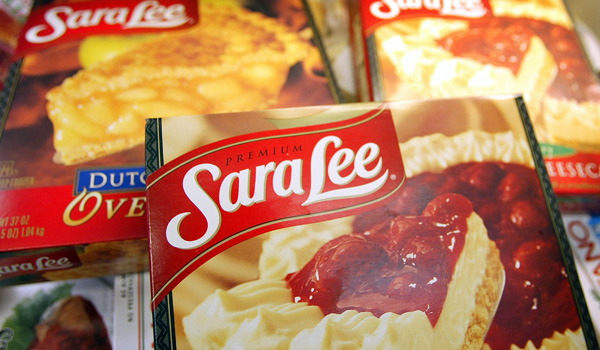
Sara Lee Completes Sale of Fresh Bakery Business in Spain and Portugal to Grupo Bimbo


US-based food group Sara Lee has completed the Eur115 million sale of its fresh bakery business in Spain and Portugal to Mexico’s Grupo Bimbo. The agreement includes all Sara Lee fresh bakery brands inS pain and Portugal as well as seven manufacturing facilities. The deal is in line with Grupo Bimbo’s international expansion strategy and makes positions it as the leading branded bread company on the Iberian Peninsula.


The acquired business includes bread, pastries and snacks produced under the Bimbo, Silueta, Ortíz, Martinez and Eagle brands, among others. In fiscal 2011, the business generated net sales of $408 million (Eur360 million). It employs approximately 2,000 people.

Posted in NewsComments (0)

Nestle Continues to Drive Growth in Europe €10 Million Investment in Spain


Nestle is continuing to drive its growth in Europe with a €10 million (more than SFr12 million) investment to produce different varieties of chocolate in Spain. The company has installed a new production line for moulding chocolates at its factory in La Penilla de Cayon in the north of the country. It is one of eight major investments Nestle has made in its manufacturing operations in Europe this year, including SFr45 million to extend a factory in Hungaryand SFr38 million to double pet food production in Russia.


The investment in La Penilla is the second Nestle has made in Spain this year, reflecting the company’s continued confidence in the Spanish market. In March, Nestle invested SFr64 million to boost production at its Nescafe Dolce Gusto factory in Girona.

Thanks to sales of Nescafe Dolce Gusto, Nestle Spain increased its exports by more than 40% in the first six months of 2011, despite the country’s tough economic conditions.


The new production line at Nestle’s La Penilla factory is equipped with technology for making new types of chocolate with different shapes and textures. “This investment reflects the importance Nestle places on continuous innovation,” says Bernard Meunier, vice president and chief executive of Nestle Spain.


The investment in the new production line will expand the factory’s annual production of chocolate to 7,000 tonnes. It confirms Nestle’s commitment to accelerating confectionery development, following the company’s expansion of its Product Technology Centre for confectionery in the city of York in the United Kingdom in September.


Nestle’s factory in La Penilla de Cayon produces chocolates and confectionery, cocoa powder, and infant formula. Around 40% of the factory’s annual production is exported to 45 countries worldwide. The new production line takes Nestle’s total investment in the factory to Eur75 million (more than SFr90 million) over the last five years.

Posted in NewsComments (0)

E-coli – ‘A Never Before Seen Hybrid’


The Spanish government has released a statement stating how furious it is over allegations that it is the source of the recent E coli outbreak hitting Europe. It is furious as “enormous damage to the Spanish agricultural sector has been caused … following reports from Germany which link food poisoning to cucumbers from Spain.”

Early results from DNA sequencing projects of the enterohemorrhagic Escherichia coli (EHEC) strain appear to confirm that a never-before-seen hybrid which combines the worst of several different bacterial strains is causing the havoc.

European Health and Consumer Policy Commissioner John Dalli said: “This issue is an absolute priority. The European Commission is coordinating with Member States and is working with the German authorities, in particular, to ensure that the source of the problem is identified in order to be able to propose relevant solutions.

The agreed statement of all Member States demonstrates the joint commitment to cooperation, vigilance and solidarity on this matter. It is positive that the number of new infection cases seems to be declining but all authorities must ensure continuous surveillance, which is crucial at this stage, as we are still working to pin down the possible source of contamination and eliminate risks for public health.”

People are being advised to apply general hygiene rules to limit the risk of contamination. Fruit and vegetables need to be washed thoroughly, wash your hands before preparing food or eating, and after using the bathroom or changing diapers. Citizens are also being told to thoroughly wash knives, plates and other utensils.

According to the latest information, the STEC outbreak is responsible for nine deaths in Germany and one in Sweden.

Paul Wigley of the University of Liverpool’s School of Veterinary Science, said that the E coli outbreak was caused by a type called O104, part of a group of bacteria that produces a chemical called verocytotoxin (Vtec).

These bacteria normally infect people directly through animal faeces, or more usually through poorly cooked meat contaminated with the bacteria. Whilst most strains of E coli do not cause disease, Vtec are able to attach to the wall of the intestines very tightly and produce toxins

Officials have also noted, however, that the transport chain is long, and the cucumbers from Spain could have been contaminated at any point along the route.

Adding to the confusion, authorities in Hamburg, where four suspect cucumbers were found last week — three from Spain – said tests on two of the vegetables had found a different strain of EHEC from the one carried by patients in the city.

Posted in NewsComments (0)

Bonduelle and Ardo Establish Spanish Joint Venture to Supply Findus


The Ardo and Bonduelle groups are to set up a joint venture to supply frozen vegetables to the Spanish and Portuguese markets. Ardo and Bonduelle have also signed an exclusive supply agreement with Findus, which is returning to the Spanish and Portuguese frozen foods markets.

The agreement between Bonduelle and Ardo provides for a joint venture to be set up in Spain involving the Benimodo production sites of Bonduelle and Ardo’s packing and storage site at Marcilla. The new entity to be formed will be owned equally by the two groups, and will have a turnover of approximately Eur100m, for volumes of 90,000 tonnes, 30,000 tonnes of which will be produced at Benimodo.

At the same time, Bonduelle will transfer its Frudesa and Salto brands to Findus and Findus will take back the direct responsibility for sales and marketing of its Findus brand in Spain and Portugal, which it had granted under licence to the Ardo group in 2005. This signals the return of Findus in Spain and Portugal with a strong ambition to develop and invest in terms of advertising and innovation behind the Findus, Frudesa and Salto brands.

The objective is to drive category growth in the frozen vegetables market with both the Findus and Frudesa brands as well as relaunching strongly in the ready meals segment with the Salto brand. Findus intends to build on its successes in frozen foods across Europe and aims to become the true frozen category leader in Spain.

The joint venture between Ardo and Bonduelle will supply the Findus, Frudesa and Salto brands under an exclusive agreement to Findus, but will also supply the private label businesses of both Ardo and Gelagri in Spain and Portugal, along with the Bonduelle Food Service brand in the Spanish and Portuguese markets, and Bonduelle branded business in Portugal.

Through this alliance and the synergies released, Bonduelle and Ardo intend to set up a competitive frozen vegetable production structure for the Iberian Peninsula market.

Based at Ardooie in Belgium, Ardo has a turnover of Eur600m, annual production of 600,000 tonnes and is one of Europe’s leading suppliers of frozen vegetables. Bonduelle group is a world leader in prepared vegetables with turnover of Eur1.7b, with 27% of its business coming from frozen vegetables, for which it is the leader in Canada and the number two in Europe. Its head office is at Villeneuve d’Ascq, near Lille in France.

Findus Group is a leading frozen food business in Europe with sales over Eur1.3b and holds market leading positions in frozen foods in France, Sweden, Norway, and Finland and a market leading position in frozen and chilled seafood in the UK. Findus Group operates across many categories from seafood, vegetables, potatoes to ready meals.

The proposed ventures are subject to clearance by the Spanish competition authorities.

Posted in NewsComments (0)

Nestle to Invest €50 Million to Double Spanish Coffee Capsule Production


Nestle will double production of Nescafe Dolce Gusto coffee capsules with a SFr64m (Eur50m) investment in a new international production line in Spain, creating 150 new jobs. The new line will form part of the Nescafe Dolce Gusto site at the company’s Nescafe factory in Girona, near Barcelona – the largest Nescafe factory in Europe.

It will increase production to more than 2.5 billion coffee capsules a year by 2012 for export to more than 20 European countries, as well as the US, Canada, Mexico, Brazil, Argentina and Chile.

The SFr192m Nescafe Dolce Gusto site, built in 2008 at Nestle’s existing Nescafe factory in Girona, has achieved record levels of production since operations began last year. It will employ a total of 400 staff by 2012 as production expands to meet growing consumer demand for the Nescafe Dolce Gusto ‘coffee-shop-at-home’ system around the world.

It is the first factory in Spain to meet environmental sustainability requirements for Leadership in Energy and Environmental Design (LEED) certification. A second Nescafe Dolce Gusto coffee capsule factory, located in Tutbury in the UK, is already running at full capacity.

The Nescafe Dolce Gusto machine system, which can make both hot and cold drinks, offers 16 varieties of coffee capsules including Cappuccino, Macchiato, Chococino, Cappuccino Ice, Espresso, Lungo and Classico Decaffeinato. Nesquik and Nestea capsules are also compatible with the machines. First launched in Switzerland, Germany and the UK in 2006, Nescafe Dolce Gusto was introduced to Spain in 2007. It is now available in 39 countries, with an annual turnover of SFr450m.

Posted in NewsComments (0)

Campari Acquires Liqueur Brands From William Grant For €128 Million


Italian drinks producer Gruppo Campari is acquiring the Carolans, Frangelico and Irish Mist brands from William Grant & Sons, the Scotch whisky distiller. The acquisition reinforces Campari’s position as a fast growing company in the US and key international premium spirits markets.

The enterprise value of the acquired business is Eur128.2m, corresponding to 7.5 times the pro forma EBIDTA 2009 (inclusive of the distribution margins of the Frangelico brand in the US). The transaction is expected to close on October 1st 2010 and the consideration will be fully self-financed. Overall the acquired business is expected to contribute about 1 million nine-litre cases and net sales of Eur50m on an annual basis.

Bob Kunze-Concewitz, chief executive of Campari.

“With Carolans, Frangelico and Irish Mist we add a high-quality and profitable business with upside potential and further enhance the group’s premium offering. In particular, we increase our critical mass in the highly-profitable US market and strengthen our exposure to a number of key international markets, including Australia, Russia, Canada, Spain and the UK,” says Bob Kunze-Concewitz, chief executive of Campari. “This acquisition represents a perfect fit in our acquisition framework, in business and financial terms. Moreover, it will benefit from low risk and easy integration, as we already account for 60% of the acquired portfolio volume and we are the global source for Frangelico.”

The Carolans, Frangelico and Irish Mist brands only recently became part of the William Grant portfolio following the company’s Eur300m acquisition of the spirits and liqueurs business of Irish and UK cider maker C&C Group in July 2010. The acquisition netted William Grant Tullamore Dew, the world’s second largest Irish whiskey brand with sales of over 600,000 cases worldwide, which has now become the Scotch group’s sixth core brand.

Posted in NewsComments (1)

£4.6 Billion European Ice Cream Market Stays Cool Despite a Cold Economy


New research from Mintel Global Market Navigator (GMN) reveals that Germans are the biggest ice cream lovers in Europe, with Germany spending an average of £19 per head on the treat each year. Mintel’s research on ice cream sales in the five major European markets (France, Germany, Italy, Spain and the UK) shows that the nearest competitor to the German love of ice cream is France with £14 per head, with Italy and UK (£13 per head) reflecting similar tastes. And it seems warm weather does not automatically equate with ice cream purchase, as Spain comes in at fifth place with £10 per head. The research shows combined value of the five markets stood at around £4.6 billion in 2009 – up from £4.1 billion in 2008.

Indeed, it seems perceptions of ice cream as an ‘affordable luxury’ has outweighed thriftiness and health considerations in the recent economic difficulties of the past year. In the UK, premium ice cream has proved hugely successful and now accounts for just under a quarter of value sales. Overall, in the UK, value sales stood at £799 million in 2009 – up from £743 million in 2008 – recovering from a decline heightened by a succession of cool, wet summers. The value of ice cream in the UK is predicted to grow even further by 2012 to a massive £814 million.

“While Germany appears to have the biggest ice cream lovers, the overall European increase in value despite recession highlights consumer demand. The idea of ice cream as a ‘permissible treat’ has been taken on board by manufacturers, who have focused on more premium and ‘indulgent’ lines in the past year, helping drive market value forwards,” explains Ana Lourenco, Global Market Navigator analyst at Mintel. “Because ice cream is regarded as an occasional treat – over half of ice cream eaters indulge at most once a month – it has been relatively unaffected by a marked trend in general towards healthier eating. Low-fat ice cream is almost a contradiction in terms, since a creamy taste is a major reason for eating it. Therefore, the strongest ‘health’ trend in global NPD has been towards ice cream free from additives and preservatives, rather than lower in calories.”

The premuimisation trend for ice cream does not just stop in Europe. Mintel’s Global New Products Database (GNPD) finds that on a global scale, premium lines accounted for 9% of global ice cream product launches in the past six months, compared to economy new product launches which accounted for 4%. Yet while ice cream is increasingly being seen as an affordable indulgence, consumers still express an interest in healthier products. Manufacturers have answered, with 13% of all global product launches in the past six months touting a ‘no additives/preservatives’ claim.

But it seems Europe still leads the way with regional love of ice cream, as Europe remained the most active region with 42% of ice cream launches over the same period, closely followed by North America with 26% and Asia Pacific (22%) accounting for over a fifth of the market.

However, when it comes to flavour, it seems that consumer taste for chocolate transcends nations and cultures. Chocolate was the most popular flavour for ice cream launches in 2009 across the five European countries. Indeed, over a third (32%) of the total ice cream products launched in the UK in 2009 were chocolate flavour, compared with 31% in Spain, 22% in Italy, 17% in Germany and 16% in France.

Posted in NewsComments (0)

Grupo Siro Opens €6m R&D Centre


Spanish food group Grupo Siro has opened a new Eur6m research and development facility at El Espinar in northern Spain. The 3,000 sq m facility, which will house a team of 30 researchers, will focus on new product development. It will also undertake contracts for other food manufacturers. Grupo Siro operates across five food categories – pasta, biscuits, snacks, bakery/cakes, bread and patisserie.

Posted in NewsComments (0)

Stronger Second Half Performance Drives Growth at Diageo


A stronger second half performance has helped global alcoholic drinks giant Diageo to increase reported operating profit by 6.5% to £2.574b, aied by exchange rate movement, for the year ended June 30th 2010 as gains in developing international markets offset declines in the mature markets of North America and Europe. On a reported basis, net sales increased by 5% to £9.78b during the year. Organic growth in both operating profit and net sales for the year was 2%.

Exceptional operating costs amounted to £177m, up from £170m in 2009, and included a net charge of £142m in respect of restructuring programmes. These costs included £85 million (2009 – £166 million) for the global restructuring programme announced in February 2009, £93 million (2009 – £nil) for the restructuring of Global Supply operations announced in July 2009 principally in Scotland, £12 million for the restructuring of brewing operations in Ireland announced in 2008, and a £48 million net credit (2009 – £nil) for the restructuring of the wines business in the US.

Diageo’s profit before taxation increased by 12.5% to £2.24b in the year.

Paul Walsh, chief executive of Diageo.

“As expected this has been a year of challenges and opportunities. Our performance was much stronger in the second half than in the first – our performance in the developing markets drove overall growth while markets in North America and Europe remained weak. However, even though markets and categories have been affected in different ways and to differing degrees, we have been consistent in our focus to deliver growth and build a stronger business for the future,” says Paul Walsh, chief executive of Diageo.

“The impact of the global economic crisis varied by market and the strength of the recovery appears to be equally variable. However, as we demonstrated this year, the global diversity of our business, together with the strength and range of our brands and the agility we have demonstrated gives us confidence that in fiscal 2011 we will be able to improve on the organic operating profit growth we have delivered this year.”

Mixed Fortunes in Europe


Europe remained a challenging region, impacted by weak consumer confidence and economic uncertainty. Diageo’s volumes rose by 1% but net sales declined by 2% and operating profit by 1% as marketing spend was cut by 6%.

Solid results were delivered in Great Britain where volume and net sales were up 9% and 5% respectively. Diageo also achieved a strong performance in Russia with double-digit growth in both volume and net sales. This led to a significant increase in share in Scotch whisky as Diageo extended its leadership position.

However, net sales declined 8% in Ireland but Diageo gained share and the rate of decline in the beverage alcohol market slowed. Trading in southern European markets remained particularly difficult. The on trade continued to decline in Spain and increased excise taxes and reduced consumer spending led to a sharp slowdown in Greece in the fourth quarter.

The weaker trade conditions in Southern Europe and Ireland impacted overall marketing spend as campaigns were reduced in line with consumer trends. Marketing spend was allocated to proven campaigns on key brands such as Captain Morgan in Northern Europe and Smirnoff in Great Britain. A small reduction in gross margin but lower marketing spend led to the operating profit decline of 1%.

Posted in NewsComments (0)

European Organic Food Market Continues to Grow


EU-27 demand for organic products continues to grow. The European organic consumer market is the biggest in the world, and was worth about $26b in 2008. The largest markets are in descending order Germany, France, the UK and Italy as they represent 72% of European organic sales. The highest market share and sales per person of organic food products are in Denmark, Austria and Switzerland.

In the EU, around 4% of the agriculture land is under organic production methods. Reasons triggering the demand for organic food in the EU are the series of food scandals, as well as the increasing interest in health, environment issues, and animal welfare.

Despite the current economic situation, the demand for organic products in the EU continues to grow as organics have gone mainstream. The most important driver is considered to be the predominance of large supermarket chains, which has resulted in a greater availability of organic products. Not only have supermarkets embraced organic products, increasingly they have placed organic products on the shelves next to non-organic products. As a result they have become available for a larger audience. Specialty stores of organic products still play an important role as they are also becoming more professional and offer a wider assortment than regular supermarkets.

Consumers of organic products in Europe can roughly be divided in two groups – regular buyers and light buyers. Regular buyers represent a rather small group that has been buying organic products for decades. This group includes environmentalists, lovers of nature, and socially conscious people. Although this group is small, they are responsible for almost half of European organic sales. Regular buyers tend to buy at organic specialty shops or farmers’ markets. For them price is not an important purchasing decision factor.

The second and much bigger group is quite different. Double-Income-No-kids households, older consumers (aged 50-75) and New-Trends seekers will fall in this group. They buy organic products for various reasons, including healthy lifestyle, food safety concerns, animal welfare, sustainability, quality and taste of food, price, innovative packaging. This light buyers group purchase organic products mainly at hyper/supermarkets. This is the group that the organic industry should focus on to generate further growth in the near future.

At the retail level, the distribution of organic products is different in each Member State. In the UK and Nordic countries for instance most organic food sales are generated in supermarkets. In the Netherlands the market for supermarkets and organic specialty shops is more evenly divided. In neighbouring Germany, discounters and supermarkets dominate the distribution market for organic food, predominantly under their private labels. In Spain and Italy most organic sales are generated in organic specialty shops.

Posted in NewsComments (0)

Lactalis Acquisition of Puleva Dairy Cleared


The European Commission has cleared the proposed acquisition by the French group Lactalis of Spanish group Ebro Puleva’s dairy business. The Commission concluded that the transaction would not significantly impede effective competition in Europe or Spain.

Lactalis manufactures and sells milk and dairy products, including a wide range of cheese, desserts and cream, in roughly 150 countries, under its own brand names and under those of distributors. Via its subsidiary, Lactalis Iberia, Lactalis operates on the Spanish market, where it sells cheese and long-life milk

Ebro Puleva produces and sells rice, pasta, sauces and dairy products.

The Commission’s investigation concerned the supply of raw cow’s milk in Spain and the downstream markets of sales of basic long-life milk, flavoured milk, health drinks, liquid cream and ‘horchata’, a drink made from tiger nuts.

The Eur630m deal increases Lactalis Group’s sales in Spain to Eur1.2b and consolidates its standing as one of the world’s leading dairy companies. Having last year disposed of its sugar business to Associated British Foods for Eur526m, Ebro Puleva is now focused on its rice and pasta activities.

Posted in NewsComments (0)

Europastry Investing €20m in 2010 as Sales Set to Reach €385m


Europastry is investing Eur20m this year to expand its production and logistics capacity in Spain. The Spanish and international bakery group is spending Eur12m on a third production line for premium bread brand ‘Gran Reserva’ at its plant in Vallmoll (Tarragona).. The remaining Eur8m is the final tranche of the investment in a new automated warehouse at Vallmoll, which has been operational since December 2009. This will extend the site’s capacity to 20,000 pallets with the ability to handle between 200 and 250 trailer movements a day.

Europastry has been steadily extending its penetration of European bakery markets beyond Spain and also recently entered the US. Indeed, Europastry has now become the third largest producer of frozen dough in Europe, behind Lantmannen and Vandemoortele.

Europastry has also been expanding rapidly within the Spanish food service channel, which in 2009 accounted for 34% of sales, compared to 28% in the previous year. During 2009 Europastry increased net turnover by almost 5% to Eur370m, through the sale of 145,000 tones of bread and 52,000 tons of bakery products. Growth in its current financial year is expected to slow down to 4%, with sales reaching in the region of the Eur385m.

Posted in NewsComments (0)

Refresco Opens New Canning Line in Spain


Refresco Iberia has installed a new line for cans at its production plant in Marcilla, in the north of Spain. The canning line is producing carbonated soft drinks and still drinks, ranging from fruit and sports drinks to ice teas in 33cl cans. The installation marks an important extension of Refresco Iberia’s product-portfolio, which until now consisted of carton and PET.

”With the installation of the canning line, we are now in Iberia able to better respond to our customers’ needs and to offer a total product-portfolio, in line with the Refresco strategy. We explicitly chose to install the canning line at our production location in Marcilla because of its strategic location to supply international customers of the European Refresco group,” explains Dominique Luna, managing director of Refresco Iberia.

Cans will account for about 5% of Refresco Iberia’s volume production this year but is expected to increase to 15% next year and to then reach 30%, in line with the Refresco Iberia’s objective to achieve a better diversification in formats between carton, PET and cans.

Refreso Iberia is part of Netherlands-based Refresco, which is one of the largest producers of fruit juices and soft drinks in Europe. The group had a turnover of Eur1.14b in 2009 and employed about 2,300 people.

Posted in NewsComments (0)

Pernod Ricard Disposes of Spanish Wine Interest


Global spirits and wine group Pernod Ricard has agreed to sell its shares in Spanish drinks company Ambrosio Velasco to Diego Zamora for a cash consideration of Eur33.1m. The closing of the transaction is subject to clearance by the Spanish competition authorities.

Diego Zamora is a family owned Spanish company, best known as the producer of Licor 43, the most popular Spanish liqueur worldwide, and other premium brands such as Villa Massa (best selling premium Italian Limoncello), Matusalem Rum and Ramon Bilbao Wines from Rioja. Diego Zamora is also a leading importer and distributor within the Spanish wines and spirits market.

Posted in NewsComments (0)

Molson Coors Enters Russian Beer Market With Coors Light


Molson Coors Brewing Company, the North American beer group, has launched the Coors Light brand in Russia. Coors Light in 330 ml bottles will be available in supermarkets, grocery stores, convenience stores, as well as selected bars and neighbourhood stores across the Moscow region.
With consumption per capita at around 71 litres and a market size of approximately 100m hectolitres in 2009, Russia is the fourth largest beer market in the world by volume and has seen significant growth in beer sales in the past decade. International premium brands that are locally produced, in particular, have grown in popularity in Russia and despite this year’s decline due to new taxes, the category shows signs of even greater growth potential in the coming years.

With the support of a new Russian team based in Moscow, Molson Coors will manage the marketing and advertising of the Coors Light brand, while Moscow Brewing Company (MBC), which has a new state-of-the-art brewery in Moscow, will brew and distribute the brand.

Founded in early 2008, Moscow Brewing Company is one of Russia’s leading producers and importers of beer and beverages. Its beer and beverage manufacturing facility was commissioned in October 2008 and is located in Mytischi, Moscow Region. The initial production capacity of the brewery is 240m litres per annum and gradual expansion is planned to 600m litres.

“As the fourth largest beer market in the world, Russia has always been an attractive opportunity for us to expand our brand presence, particularly with Coors Light, which is quickly emerging as a global brand. Not unlike what we have done successfully in other international markets, our strategy has been to create local partnerships to establish a brand presence, invest behind the brand to expand its appeal and leverage opportunities to strengthen our route to market,” explains Kandy Anand, president of Molson Coors International. “Our partnership with MBC in Russia is consistent with this strategy and we are confident in our ability to attract Russian beer drinkers to our special brand and succeed in this large and promising market”

In line with its international development strategy, Molson Coors has also recently announced partnerships with Mahou San Miguel in Spain, with Viet Thai in Vietnam, and most recently a joint venture with Si’hai Brewery in China. Coors Light is now available in more than 25 countries worldwide.

Posted in NewsComments (0)


Industry Video

PepsiCo

Join our newsletter:

You can also subscribe to:

Follow us on Twitter


Advertisements:


________________________________________________ ________________________________________________
________________________________________________ ________________________________________________
________________________________________________ ________________________________________________
________________________________________________ ________________________________________________
________________________________________________ ________________________________________________
________________________________________________ ________________________________________________
________________________________________________ ________________________________________________
________________________________________________ ________________________________________________
________________________________________________ ________________________________________________

________________________________________________ ________________________________________________

________________________________________________ ________________________________________________

________________________________________________ ________________________________________________


________________________________________________ ________________________________________________


________________________________________________ ________________________________________________


________________________________________________ ________________________________________________

________________________________________________ ________________________________________________

________________________________________________ ________________________________________________

________________________________________________ ________________________________________________
1

The Magazine

Event Calendar

May 2013
M T W T F S S
 12345
6789101112
13141516171819
20212223242526
2728293031EC