
G.Mondini and Digi Europe aim to cut label waste

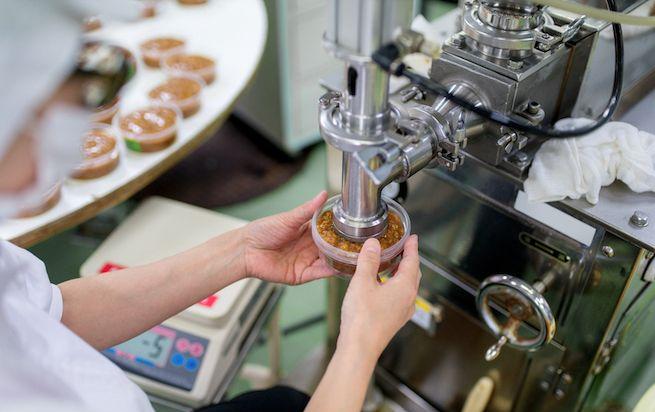
G.Mondini and Digi Europe have collaborated to launch an integrated weigh station with a coding system that allows printing directly onto film on the top of the tray, eliminating the need for labels and the cost of dispersing unwanted backing paper.

The HI-700TTC tray sealer offers real-time printing of information on pre-printed film, a secure tamper proof labelling system and a wider print head as standard, said the companies behind the machine at the IFFA Trade Show in Frankfurt.

It offers a single panel for recipe selection, sealing station, printing system, weighing device, weigh-printing console and production line input.

Glenn Fruish, export sales manager, at Digi Europe told FoodProductionDaily.com that the throughput speeds are around 72 packs per minute.

“We basically looked at what the industry was requiring and a lot of supermarkets are driving for dispersing of wasted packaging so this is one of the concepts behind this, that dispersing all the labels.

“The machine can be applied in any industry that is top tray sealing their product, so not only is it meat but it can be used for poultry and in the fruit and vegetable industry.”

Posted in NPD, Packaging0 Comments

Plastic packaging set for further price increases

The latest European packaging manufacturer to announce it would be passing on raw material cost increases is UK company Paccor, which makes rigid plastic food packaging.

It is active in 13 European countries and has 19 manufacturing sites across Europe and makes packaging for products ranging from ice cream and confectionery to ready meals and dairy products.

In a statement, the firm’s managing director Chris Hart said it would keep prices as low as it could, but that some form of increase was inevitable.

“We want to continue to run a viable business, therefore we have to manage significant increases in the raw materials market in order to remain competitive and sustainable.

“Our prices have been kept very low over a number of years. It is important to stress that Paccor price increases are significantly below the polystyrene (PS) Q1 2013 global material purchase increases.”

Further raw material increases forecast

He said he expected costs to keep growing. “Polymer purchase is by far the largest contributor to the cost of our products. There are further raw material increases forecast in the coming months, which are expected to be in the range of 10-15%.

“Although oil prices seem to have stabilised, we did not see any significant effect on reducing PS purchase pricing as a consequence. In addition, the Euro to Dollar exchange rate remains week and is predicted to stay at its current level, or lower, for some time.

“Faced with these spiralling costs, we have to react to these market trends.”


Posted in NPD, Packaging0 Comments

Research group alliance aims to strengthen global production

UK-based research groups Campden BRI and CABI have teamed up to consistent scientific support covering the entire food and drink supply chain as the world’s population continues to increase.

The two organisations have pledged to offer ‘technical support from seed to shelf’ through the strategic partnership, which is designed to benefit processors of all sizes.

It would make the prowess of 600 experts in fields ranging from post-harvest technology and food processing and preservation to packaging and hygiene and food safety assurance, said Campden BRI.

A spokesman for the organisation told FoodProductionDaily.com it was too early to discuss joint initiatives that the partners would be working on, as these had not even been decided. However, he said one area they would look at would be “reduction of waste post-harvest”.

‘Sustainable, efficient production’

“That’s all about sustainable, efficient production and ensuring good practice and minimising waste.”

In addition, both parties would consider uniform and consistent implementation of Hazard Analysis and Critical Control Point (HACCP) and risk assessment principles across the supply chain, he added.

The partnership would be rolled out from late 2013 through specific initiatives and support packages, said Campden BRI.

It said the collaboration was forged to help the industry maintain sustainable production and high food safety standards in the face of a global population increasing in size and affluence.

Boosting food production

Campden BRI claimed the move would also enable both parties to offer greater support for initiatives from government and non-governmental organisations aimed at boosting food production.

It would also draw on their extensive and long-established skills in information, publishing, knowledge management and training to ensure the latest research and innovation is identified and practically applied.

“The days when agriculture and food processing are seen as separate activities are fast disappearing,” said professor Steven Walker, director general of Campden BRI.

“Combining our facilities, skills and expertise in processing technology, preservation, packaging and safety assurance with CABI’s in areas such as agronomy, biodiversity and food security, makes us ideal partners to support the integrated food supply chain.”

Posted in NPD0 Comments

Whey protein coating aims for eco-friendly benefits in multilayer packaging

A whey protein coating is being developed as part of an EU project to replace existing polyethylene (PE) or petrochemical plastic coatings in multilayer packaging and enhance recyclability.

The coating system will be created based on renewable raw materials from agrofood waste and its application for extrusion coating cartons to produce packaging materials for solid and liquid foods.

The EU project, dubbed BioBoard, claims the barrier coating will be biodegradable and can be washed off from the substrate where it is applied using enzymatic detergents.

It will build on past research that shows whey protein coating can provide bio-degradable plastic layers that can replace existing plastic coatings in multilayer packaging and boost recyclability.

Project aim

BioBoard, which started in November last year and runs until the end of October 2015, aims to produce packaging materials from the extrusion of coating paper, paperboard and cardboard.

Current methods of using polyethylene (PE) or other petrochemical based coatings generally lead to complex structures causing difficulty in recycling, according to the project consortium led by Innovacio I Recerca Industrial I Sostenible (IRIS), based in Spain.

It said seven million tons of coated paper, paperboard and cardboard are manufactured annually worldwide and the standard PE coating contains about 20 mass percent.

The recycling process involves grinding, washing, flotation, cleaning and screening to recover the fibres and not all paper mills are equipped for handling resulting residues comprising up to 25% of aluminium and plastic.

High shearing during the recycling leads to a reduction of the fibres size and limits their reuse to less demanding applications.

Whey and potato base

The base material for the coating will be formulations based on proteins such as whey and residues from potato.

Around 50% of the 50 million tons of whey produced annually in Europe is discarded, said the consortium.

At least 200,000 tonnes of potato by-products are disposed in Europe each year, they added.

Dr Elodie Bugnicourt, BioBoard project coordinator from Barcelona-based IRIS, said that: “BioBoard stands in response to the current demand from producers of coated paper, paperboard and cardboard manufacturers for a bioplastic that will enable them to substitute much of the currently used synthetic coating without compromising the barrier properties of the resulting packaging laminates and overcoming the current challenge to the recycling of such packaging”.


Posted in NPD, Packaging0 Comments

Neogen’s Soleris yeast and mould test now AOAC approved

Neogen Corporation has received approval from the AOAC Research Institute for its rapid and accurate test to directly detect yeast and mould in a variety of food matrices, such as dressings, sauces, pet food, dairy products, fruit and vegetable based products, as well as nutraceuticals.

Neogen’s newly approved Soleris Direct Yeast and Mould test produces accurate results in only 48 hours. Conventional yeast and mould methods can take up to five days. This new test is designed for use in the Soleris rapid microbiology system, which accelerates and monitors microbial growth for faster time to results.

Neogen’s Dr. Janice McGregor says, “The Soleris yeast and mould test was shown to produce rapid and accurate results—allowing for quicker product releases that improve profitability. Yeasts and moulds are unique, as they represent a large and diverse group of microorganisms that can cause various degrees of deterioration and decomposition of foods. It is estimated that tests for yeasts and moulds comprise as much as 15% of all microbiological tests performed worldwide. Soleris DYM enables food companies to ensure the quality and shelf-life of a wide variety of food products and provides advantages that allow companies to reduce costs through improved efficiency.”

The Soleris DYM test offers significant time savings of up to three days over the reference procedure while also reducing the amount of technician labour required. The AOAC approval allows Safe Quality Food companies to comply with testing requirements for rapid yeast and mould assays.

A variety of representative commodities were tested in the validation including nonfat dry milk, ice cream mix, salad dressing, yogurt, dried fruit, orange juice concentrate, tomato juice, corn flour, cocoa powder, dry pet food, and black pepper, and the test should perform well on similar food matrices.

The Soleris DYM test expands a portfolio of rapid indicator tests that are AOAC approved including Total Viable Count results in 24 hours, where conventional methods take 48 hours or longer. E. coli results are available in 7–10 hours while conventional methods take 24 hours or longer and Coliform results are available in 9–10 hours where conventional methods take 24 hours. The Soleris test method for lactic bacteria produces results in 30–35 hours, as opposed to conventional methods which take 3–5 days.

Posted in NPD0 Comments

Wine barrel packaging reinvented

The Vinocopia Barrel is a new wine barrel system that offers significant improvements over alternatives in that it uses replaceable and recyclable 4-liter plastic inserts to hold its wines in beautifully authentic, handcrafted, reclaimed-oak barrels. This works in conjunction with the other components of their proprietary WineFresh packaging and connector system, which protects wine from its three natural enemies: air, light and heat.
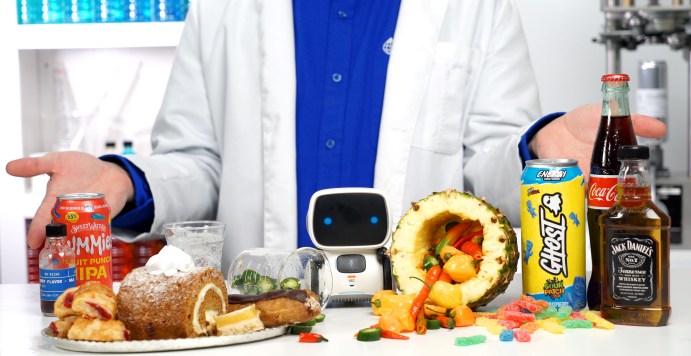

Each 4-L WineFresh insert contains the equivalent of 5.33 bottles of wine (27 x 5-oz pours), uses less than 40 percent of the material used in bottles, weighs less, and uses less energy to recycle-which all lead to substantial disposal cost savings. And because the Vinocopia Barrel keeps wine fresh for 60+ days, a pristine glass of high-quality wine is always on tap not only for busy restaurant environments, but also for consumers who enjoy entertaining, drinking wine regularly, and cooking with wine at home.

The website nWine Barrel drawingotes that the refill insert installs easily: Simply remove the back cover, click to release the empty refill insert, slide it out from the barrel, remove the cover on the new refill insert, slide it in place, and click the coupler to the refill connector. Replace the back cover and that’s it.

The wines that are initially being offered are from Argentina and include Malbec, Cabernet, Merlot, Capriccio (a red, three-grape blend), Torrontes and Chardonnay.

The Minneapolis-based company offers three versions of the Vinocopia Barrel, a red chill barrel that keeps the wine at 58° F, a white chill barrel that keeps the wine at 47° F, both of which are plug-in models; and a non-chill, ambient-temperature barrel. Website pricing is $329, $349 and $199, respectively.

The company’s website reports that it has “spent more than five years researching, designing, and engineering the world’s first true appliance to easily and conveniently dispense world-class wines.”

Posted in NPD0 Comments

Emerging markets more open to chocolate innovation, says R&D chief

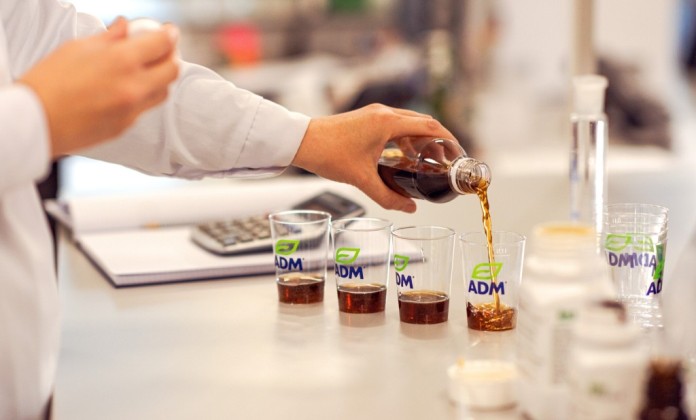
Consumers in emerging markets are more receptive to new chocolate products than counterparts in established markets because they don’t have a point of reference, according to ADM Cocoa’s innovation chief.

Rinus Heemskerk, global director of innovation for ADM Cocoa, said: “If you go to a country where chocolate is a relatively new flavor, people are more adventurous and more open to different flavors than they would be in countries where it was part and parcel of their upbringing.

“What you typically see is that people who have been born and raised in the tradition of a certain product and know that flavor very well, they’re generally less adventurous.

“If you go to markets in Asia, China for instance, where people don’t have a chocolate background and where chocolate is a relatively new product, they are much more open to flavors than someone in Germany or the US.”

Consumption levels

Chocolate consumption in emerging Asian markets is far lower than in parts of North America and Western Europe.

Western Europeans eat an average of 8kg per head annually compared to just 70g in India and 100g in China.

The geographic spread of launches

According to market analysts Mintel, the majority of chocolate confectionery launches (41.26%) between 2008 and May 2013 have been in Europe.

However, there were a higher proportion of launches in the Asia Pacific over this period (24.6%) than in North America (17.55%).

But the Asia Pacific region has lost its share of launches from a peak of 26.09% in 2010 to 22.53% so far this year because of a spike in launches in    the Middle East & Africa and Europe.


Posted in NPD0 Comments

EU brain health opportunities in omega-3 and beyond

Brain health and memory emerged as a winner from the EU Article 13.1 health claims list as the link between nutrition and cognitive performance strengthens in the scientific literature.

Approved nutrients include biotin, omega-3 form DHA, folate, iodine, iron, magnesium, niacin, pantothenic acid, thiamine, vitamin B12, calcium, vitamin B6, vitamin C, water and zinc. However, many consumers remain somewhat uneducated about the brain health benefits of the majority of these ingredients.

Demand is primarily being driven by two forces: An ageing global consumer base and parental determination to optimise their children’s potential. However sales are still to show any sign of reflecting the wide variety of claims as the EU is somewhat lagging behind other regions.

In the EU, retail value sales of foods and beverages – excluding milk formula – with a purely brain health and memory positioning remained fairly limited in 2012, standing at just US$86m, or 16% of the global total. In fact, globally, real growth was a mere US$34m over 2007-2012.


Omega-3 is king

Where innovation is taking place, omega-3, or more specifically docosahexaenoic acid (DHA), has taken centre stage. It is seen on nearly every baby milk formula. In these products, added nutrition offers scope to optimise  children’s brain development. Yet, the category targeting children’s mental development, excluding infant formula, in the EU is spreadable oils and fats, with Unilever’s Blue Band leading the way.

Other successful innovations include Birds Eye Foods Inc’s Fish Fingers with added omega-3, providing around 50% of the recommended daily intake (RDI), and fortified milk through brands such as Puleva, which saw sales reach US$134 million in 2012.

Nevertheless, it is the rapidly expanding base of middle-class consumers in emerging economies, with high aspirations for their children and a willingness to make sacrifices, which is the prime target audience for products containing ingredients which benefit developing brains and are looking beyond DHA.

Trust in efficacy essential in changing consumer habits

For adults omega-3 supplements are still the main vehicle for consumption, with sales of US$384m in 2012, nearly five times that of food and drink. The lack of transition from supplements to food and drink is down to consumers finding it difficult to recognise the tangible health benefits of the latter, preferring to trust a more pharmaceutical approach.

Germany, the largest market in the EU, saw sales of just US$59m in 2012, predominantly thanks to the Becel brand.

If manufacturers are able to get consumers to start to trust the efficacy of brain health ingredients and buy into the concept of prevention rather than treatment, there is the potential to target a wide range of brain-health related concerns, including depression.

The US government has funded a number of studies aimed at linking diet with depression, including a 2011 study which found that male US military personnel on active duty between 2002 and 2008 with the lowest levels of DHA had a 62% increased risk of suicide than their counterparts with higher levels. Another US-based study found eating fish during pregnancy could cut a woman’s odds of developing post-natal depression.

Omega-3 will continue to retain its lead due to its familiarity and strong research findings but other ingredients could soon be in the spotlight. For example, research from Oxford University which studied 250 people aged over 70, including those with mild cognitive impairment, found that vitamins B6, B12 and folic acid slowed mental decline. Both of these ingredients gained approved EU article 13.1 health claims for normal psychological function.

Target drinks and not just food

With a wide variety of B vitamins and even vitamin C gaining a claim for brain health, this opens up the possibility to target a wide range of food categories. Nuts and pulses, for example, are a good source of thiamine and bran is a source of niacin. But, in particular, it offers the opportunity to innovate within beverages. In 2012, in the EU, just Poland and Denmark have a market for brain health and memory-positioned beverages, for example Mokate from Grupa Firm Mokate in Poland.

Look to countries with a rapidly growing ageing population

While it is evident that even though the mature adult demographic is of great interest to companies, brain health concerns – memory loss, depression, loss of cognitive agility – are poorly catered for. Good nutrition can help to slow down this detrimental process, while some nutrients may even be able to stave off seriously debilitating conditions like Alzheimer’s disease. The claim ‘normal cognitive function’ given to the ingredients iron, iodine and zinc, if used in products may well attract the older consumer concerned about mental health issues.

Brain health and memory-positioned foods and beverages are set to be driven predominantly by the Asia Pacific, but the gain could be considerably higher in the EU if manufacturers took full advantage of the benefits of functional ingredients and introduced products targeted at the older consumer. Countries with a high index of ageing, such as Germany and Italy, could be targeted as their populations, which are likely to have healthy diets, would be willing to incorporate products to enhance their mental capacity.

Diana Cowland will be presenting some of these issues at Vitafoods Europe on May 15.

Posted in NPD0 Comments

Study suggests compatibility between organic and health claims

Organic food brands should not be afraid of using health claims to market their products, as a new study suggests the two concepts are not as incompatible as the industry may fear.

The study, published in Food Quality and Preference, looked at whether consumers are deterred from buying organic foods with health claims on the packaging because of a general consensus that functional food is derived from technology-based enhancement, so is not “natural”.

In addition consumers may think of functional foods as coming from large multinational companies, meaning they might reject functional food as being a non-natural, technical and less holistic approach to healthiness, says the study.

Researcher Jessica Aschemann-Witzel and her team therefore decided to examine the preference of German consumers when faced with a variety of organic foods, some showing health claims on the packaging.

Study methodology

The researchers asked 210 consumers to participate in a laboratory purchase simulation in which they were shown packs of organic yoghurt, muesli and spaghetti.

“We chose yoghurt, spaghetti and muesli because these are categories that are or can be potential carriers for ingredients with functional characteristics, but also because these are categories where a variety of brands exists and that are bought by a large share of consumers, both in organic and conventional quality,” Aschemann-Witzel told FoodNavigator.com

For each category, some of the packs showed a nutrition claim, a health claim or a health risk reduction claim.

The claims used echo those already in place outside Germany, for example in Sweden and the US, and included a link between calcium and its effect on bone health, while another promoted fibre for healthy bowels.

The participants were then asked to rank the products on a scale ranging from 1 (least healthy) to 5 (most healthy). They were also asked if they had seen the health claim and whether it had influenced their purchase decision.

Marketing and health claims

The results of the study indicate that organic products and health food claims are not incompatible, as the health claims made no difference to the preferences of the participants who were frequent buyers of organic foods. And the participants who were occasional buyers of organic were actually more likely to go for products with health claims.

“Food marketeers or brand owners can use the research when they consider whether or not to add functional food characteristics to organic food products – our research shows that organic consumers are likely to react positively, especially the occasional organic consumers, which constitute the larger share among organic consumers,” said Aschemann-Witzel.

Aschemann-Witzel pointed out that the survey was confined to Germany, so researchers can only speculate whether the results would be similar in other countries. However, the differences are not likely to be great, she said.


Posted in NPD0 Comments

Ecuadorian cocoa wins vote of ADM and Cargill R&D chiefs

On a recent site visit, ADM Cocoa and Cargill both agreed that cocoa beans from Ecuadorian origin were the best tasting for chocolate.

Cocoa from Ecuador is classed as a ‘fine flavor’ bean, a category of unique beans that give a floral or fruity flavor.

Nations 20° North or South of the equator have climates that support cocoa growing.

Of the around 4 million metric tons (MT) produced globally, three quarters is grown in Africa, mostly in West Africa and mainly in two countries: Ivory Coast and Ghana.

Rinus Heemskerk, global director of innovation at ADM Cocoa, said that origins were incredibly important to the manufacture of chocolate.

Flavor beans

Select countries produce what are known as flavor beans or fine flavors. Origins that can claim fine flavor status are regulated by the International Cocoa Organization (ICCO). Countries include Ecuador, Papua New Guinea, Madagascar, and Venezuela.

Henri Kamphuis, quality and technology director of Cargill Cocoa and Chocolate, said: “If you would compare a high cocoa containing chocolate made of 100% of flavour beans and you compare it to other origins, they have very specific floral flavor directions. There’s a very fruity direction that is not as pronounced in other cocoa beans.”

Ecuadorian origin

Heemskerk said, “If you look into the fine flavors, I would say today probably Ecuador, the arriba nacional, is the most common fine flavor.”

Flavor beans from arriba nacional have 3 quality types, of which SSS beans are rated the highest quality, according to Heemskerk.

Flavor beans generally come from Criollo or Trinitario cocoa tree varieties rather than Forastero trees. But nacional trees in Ecuador are derived from Forastero trees.

Cargill’s quality director Kamphuis also said that high cocoa content chocolate, from Ecuadorian or Venezuelan cocoa beans were his personal favorite.

Former colonies influence tastes

However, preferences are entirely subjective and could be influenced by the cocoa source used in popular brands, such as Cadbury in the UK and Milka in France.

“The history of the dominant brands often has a strong impact on what people prefer. So English colonies were more likely to supply British chocolate makers and French colonies French chocolate makers.”

Premium on flavor beans

Cocoa from flavor beans often commands a significant premium compared to cocoa from ‘bulk’ origins said Kamphuis.

Ecuador produces the largest volumes of the fine flavor bean countries, but crop total crop in 2010/11 was only 161,000 MT, just 4% of the total global production.

Heemskerk added that Java beans from Indonesia were extremely interesting from technological and a flavor perspective but the crop was extremely small.

Posted in NPD0 Comments

Most consumers don’t know what EFSA is, experts find

Almost no German consumers know about the European Food Safety Authority (EFSA), or understand the role it has in the approval of health claims for functional food products, according to experts.

The impact of having an EFSA approved health claim on your product may not be as high as you may think, according to consumer understanding expert Professor Stefanie Bröring and her team of researchers.

“Almost none of the German consumers understand the role of EFSA,” said Bröring – who told NutraIngredients that because of this any health claims approved by EFSA that appear on products are not being recognised for their true value by consumers.

“I think there is a great dilemma for industry in spending a lot of money on getting a health claim from EFSA and then being in the situation where nobody on the consumer’s side knows what EFSA is or understands it,” she said.

“EFSA, health claims, and the entire approval process, are not known to general consumers.”

Independent body

Yet, Bröring and her group at the University of Applied Sciences Osnabrück asked a sample of consumers what they want from a health claim, the majority explained that they wanted an independent authority that was able to assess and approve it.

“That’s EFSA,” said the consumer understanding expert. ”A lot of people were quite shocked when we explained that to them.”

“I think that’s a very important message. We need to make EFSA more accessible to consumers,” she said.

Posted in NPD0 Comments

R&D in action: Highlights from the 2013 Food Technology & Innovation Forum

How can you get more bang for your R&D buck? How does Unilever gain deeper consumer insights online? Why don’t manufacturers share more information with key suppliers? 

All of these questions and a host of others were addressed at the 2013 Food Technology & Innovation Forum in Chicago last month, which attracted R&D professionals from the nation’s leading food and beverage companies, from PepsiCo to Hershey, Mondelez, Abbott Nutrition, Unilever and Nestlé.

Are all-natural claims losing their luster?

The phrase ‘all-natural’ featured on 12% of new launches in 2012 versus 14% of launches in 2010, according to Mintel research. Not a big drop, but perhaps a sign that the all-natural trend may be losing a little of its luster?

Speaking at the 7th  annual Food Technology & Innovation Forum in Chicago yesterday, Mintel innovation & insight director Lynn Dornblaser said that natural claims featured on 14% of new product launches in the US in 2010.

In 2012, that number had dipped to 12%.

There is some consumer fatigue around ‘natural’ While not a huge shift, it is perhaps an indication that natural claims are not quite as sexy as they used to be, she said.

“There is some consumer fatigue around ‘natural’, and we are starting to see companies home in on some more specific claims instead.”

But she added: “We’ve also seen that since 2010, there has been a drop off in no additives/preservatives claims, organic claims and vitamin/mineral fortified claims.”

Meanwhile, growth in several other claims - from ethical to plus or minus claims, functional claims and ‘suitable for’ claims – has also “flattened out” since 2010, she added.

However, there has been growth in some specific functional claims in areas such as heart and digestive health.

Hershey’s Kisses are smoother, and ‘significantly less sweet’ in China, says R&D boss

If Hershey arrived in China later than some rivals, it has more than made up for lost time since, delegates at the Food Technology & Innovation Forum in Chicago learned this week.

And a key part of its success has been its ability to tailor products and packaging to local tastes, said global product development VP Dr Jorge Bouzas, who gave a presentation at the conference Tuesday.

After extensive testing with 3,000 consumers in three major cities, Hershey quickly discovered that Chinese consumers like chocolate that is smoother, and “significantly less sweet” than their US counterparts, he said. So it reformulated its product accordingly.

Chinese consumers also love gold, prompting Hershey to switch to gold, instead of silver, foil to wrap up its Kisses in China, he revealed.


Posted in NPD0 Comments

Flintec launches load cells for food processing

Flintec UK Ltd. has launched single-point load cells geared toward heavy-duty food environments; according to the manufacturing, the units offer high accuracy and durability.

The PC7 load cells are rated to IP69K and IP68 protection levels to endure frequent washdowns with high-pressure cleaning equipment. According to the manufacturer, the load cells are suited for applications where oversize platform dimensions are specified.

Rated load cells

The new load cells are rated 100kg, 250kg and 500kg and certified to OIML 4,000d by the UK’s National Measurement Office (NMO). They are constructed from electro-polished stainless steel, in order to meet stringent food processing requirements.

According to Flintec Group Managing Director David Weeks, “Previously in the industry, stronger load cells tended to be less sensitive and less accurate, whereas more precise load cells were weaker and less able to cope with extreme conditions. We want to deliver the best of both worlds – high quality, extremely accurate load cells that can withstand the most punishing environments.”


Posted in NPD0 Comments

Fraunhofer expert: nanoparticles don’t migrate from food plastics

Nanoparticles from food and drink packaging will not migrate into the product, according to a prominent expert in the field.

Dr Roland Franz, coordinator of the Fraunhofer Institute’s department for process engineering and packaging, delivered his verdict at a lunch debate at the European Parliament on March 26.

Franz was addressing the question: can nanoparticles migrate from food contact plastics into foods? He used the European Commission’s recommendation of nanoparticles under 2011/696/EU.

His presentation was based on research conducted as part of the Bavarian Authority for Public Health and Food Safety project on Nanotechnology-related Food Safety.

He said migration studies showed no evidence that nanoparticles of silver and titanium nitride with spheric shape incorporated at various levels into low density polyethylene (LDPE) migrated into food simulants even under severe test conditions.

Highest mobility

Spherical nanoparticles were analysed because they are believed to have the highest mobility and LDPE was used because it is thought to allow for the highest mobility of migrants, he said.

Nanoparticles of titanium nitride are used in polyethylene terephthalate (PET) bottles for water and soft drinks.

The European Food Safety Authority had also given its opinion that such an application involved no consumer exposure to nanoparticles, said Franz.

Franz added that particles measuring three to four nanometres in diameter “cannot migrate at all from LDPE and therefore from any plastics food contact material (FCM) following Fick‘ian law of diffusion”.

Aggregation and agglomeration

In any case, due to aggregation and agglomeration, nanoparticles of such a small size did not exist in FCM, he said.

Furthermore, even accounting for the worst case scenarios, he said the assumption was that nanoparticles were immobile once incorporated into FCM plastics.

“Concerns have been expressed whether release of nanoparticles from the food contact material surface due to mechanical material stress or due to aggressive interactions of the food with the FCM may be possible,” he continued.

“In this case the FCM would be technically not fit for purpose. This can be checked by electron microscopic imaging of the FCM surface or stress tests using an appropriate liquid contact medium.”

Posted in NPD0 Comments

Linx launches ketone-free black ink for coding applications

Linx Printing Technologies has introduced Linx Black Ink 3401, a ketone-free ink suitable for a variety of coding applications across industries such as food and drink, cosmetics, confectionery and tobacco.

Said by the UK-based CIJ printer supplier to meet “increasing demands” for an ink that does not contain MEK and acetone, Linx Black Ink 3401 offers a fast drying time of 1 to 3 seconds on both porous and non-porous materials.

According to the company, it also offers “superior” light fastness and “excellent” adhesion and contrast on a wide range of materials including paper, card, plastic and flow-wrap.

“We know that many companies are now seeking a reliable and effective alternatives to ketone-based inks for certain types of applications,” says Linx Printing Technologies product manager Susan Palmer.

“Linx Black Ink 3401 exactly meets this need, while maintaining the high quality performance that customers have come to expect from our inks ranges.”

Linx Black Ink 3401 joins the company’s existing range of MEK-free ethanol-based inks and can be used with Linx’s market-leading 4900 and 7900 CIJ printers.

According to the company, Linx Black Ink 3401 has good general chemical resistance across many substances, including chemical splash from alkalis, acids, water, alcohol, petrol and cutting fluid; and it is said to be capable of heat resistance of up to 30 minutes at 300°C with no adhesion or colour change.

Posted in NPD0 Comments

Gold nanoparticles help detect Listeria cheaply

Scientists have developed a Listeria biosensor using gold nanoparticles, which they claim achieves rapid, cost-effective results and proves highly sensitive.

The innovation is detailed in the article ‘Gold nanoparticle-modified carbon electrode biosensor for the detection of Listeria monocytogenes’, published in the US journal Industrial Biotechnology.

“The objective of the study was to develop an enzyme-linked immunosorbent assay (ELISA)-based biosensing strip to use for quick and inexpensive detection of L. monocytogenes through AuNP [gold nanoparticle]-modified SPCE [screen-printed carbon electrodes],” the authors state.

Inexpensive

SPCE strips as disposable amperometric biosensors are inexpensive, portable, easy to handle and have great potential for L. monocytogenes detection, they claim.

The detection of bacteria using SPCE strips involves a transducer that translates a biochemical reaction, such as substrate oxidation leading to the emission of electrons, into a measurable response.

The researchers claim that SPC E strips can be augmented with gold nanoparticles. These have the ability to strengthen detection signals, improve the electron transducer and boost detection sensitivity, enabling them to
pinpoint smaller quantities of L. monocytogenes in products.

This is especially important in regions such as the US, which have a zero tolerance policy towards L.monocytogenes in foods.

‘More surface area’

“Metallic nanoparticles are useful in immunoassays, because … they provide more surface area on which antibodies can immobilise and capture target bacteria,” the study states.

“While the gold film aids in conductivity, it is the NPs that increase the surface area and provide higher antibody immobilization.”

An SPC E strip using gold nanoparticles could detect as little as one bacterial cell of L. monocytogenes, according to the researchers.

“This is a rapid and efficient biosensor as it only takes approximately one hour for the accurate detection of contamination,” they conclude. “This sensor has the potential to be commercialised and it would be extremely beneficial in the food industry as it is inexpensive and portable.”


Posted in NPD0 Comments

RPC reveals new product development plans

Bioplastic packaging and a modern plastic alternative to the tin can are just some of the innovations RPC Group is currently working on, the company revealed at its press conference in Dinklage, Germany, on April 18.

Speaking to FoodProductionDaily.com, new chief executive Pim Vervaat outlined what stage the packaging group was at in terms of bioplastics.

“We have two people developing bioplastics, but it’s still a very small part of total polymer usage,” he told this site. Cost and availability of raw materials remained core issues, he said. “I think bioplastics still has a long way to go. It’s probably going to take some time for it to tick all the boxes.

“Biopolymers will be more expensive for some applications. We are working on all kinds of applications depending on customers’ requests.”

New concepts

David Rourke, sales manager for RPC Cobelplast, said RPC was constantly developing new concepts and products in tandem with customers.

One such design was the 380ml Apollo container from RPC Containers Corby, which combined extended ambient shelf life with the established lightweight, easy handling and safety benefits of plastics, plus a reclosing feature.

The high barrier Apollo featured a polypropylene/ethylene vinyl alcohol polymer/polypropylene multilayer structure protecting its contents from oxidative damage.

Hot fill, retort and pasteurising applications

The packaging is suitable for hot fill, retort and pasteurising applications and offered an attractive, fluted design in the same diameter as a can, with sleeving and labelling options to help it stand out on shelf.

The neck of the Apollo container is specifically designed for partner business Aptar’s Bap Trilogy closure, which is designed to ensure excellent pack integrity and product freshness.

The foil seal features a plastic ring pull for easy opening and there is an overcap for reclosing, in a bid to reduce food waste.

“The Apollo takes long shelf life and convenience to a whole new level,” said Rourke. “It’s the modern alternative to the tin can.” He said it offered a route for firms seeking to reduce packaging weight and switch from cans to a plastic alternative.

Posted in NPD0 Comments

Trans fat crackdown prompts test launch

PerkinElmer has developed a lightning-fast trans fat analysis test in response to the recent global crackdown on trans fat in food.

The human and environmental health firm, which is based in Massachusetts in the US, said its Spectrum Two Trans Fat Analysis System analyses the infrared spectrum of the fat and oil present in a food to compute the trans fat content. It is portable, requires minimal preparation and can deliver results in less than a minute.

“This compares very favourably with previous GC [gas chromatography]- based methods … which can be relatively time consuming,” Jerry Sellers, product planning manager at PerkinElmer told FoodProductionDaily.com

Other benefits

Aside from the speed of the test, it offered a range of other benefits, Sellers told this site. “Very little operator training is required as the system uses a specially developed custom software protocol, no special sample preparation and the hardware is very low maintenance. The system also requires no chemicals for sample preparation and provides confidence in the results due to the implementation of an official method.”

The test had been developed in response to high demand in countries that had introduced legislation and labelling rules concerning trans fat content, he explained. “We are seeing demand among oils producers and refiners in both US and regions of Europe, Middle East and Asia, with strongest interest at the moment in US, India and China.

“I suspect the demand at the moment is related to levels of interest in the labelling regulations pertaining to trans fat content in the countries to which the oils producers market their product. These regulations vary somewhat from country to country.”

Posted in NPD0 Comments

Migration factors of nanosilver in PVC packaging studied

Migration levels of nanosilver into PVC packaging are below conventional migrant limits but the effects of nanoscale particles remains unclear, according to a study.

The objective was to evaluate the migration of silver from plasticised polyvinyl chloride (PVC ) nanocomposites to chicken meat following varying storage time and temperature conditions, according to Cushen et al.

They found a worst case scenario migration of 8.85mg/kg or 0.84mg/dm2 , below what European Union (EU) legislation allows for general substances; no more than 60mg/kg, or 10mg/dm2 .

However, they noted if silver at nanoscale is to be put on the positive list of substances permitted in food contact materials, its specific permitted migration are likely to be lower than that of general substances due to its increased surface area and reactivity and increased potential to induce toxic effects.

The researchers found nanosilver migration was influenced by nanomaterial fill percentage in the packaging material and storage duration but not temperature.

Writing about temperature, they said: “This relationship was unexpected because it is widely accepted in the scientific community that any mass transfer or migration increases with temperature and the relationship observed is notable different from other migration studies using other packaging materials (i.e. not PVC) where the effect of temperature is discussed.”

They said it could be explained because at higher temperature silver nanoparticles crosslink with the polymer chains.

Migrated nanosilver

It was concluded that because there was no difference between silver quantification of samples in contact with the PVC more of the smaller particles (10nm) had migrated than the 50nm particles.

“However, the exact extent of differing migration rates is difficult to determine without more knowledge on the behaviour of silver nanoparticles. This is because the migrating silver is likely to be made up of both nanoparticles and ions.”

The silver content of the chicken was quantified using inductively coupled plasma mass spectroscopy (IC PMS) and migration was found to occur within a range of 0.03–8.4 mg/kg.

An exposure assessment revealed that human exposure to silver (assuming a worst case scenario that all silver is in its most harmful nanoform), is likely to be below current migration limits for conventional migrants and a
provisional toxicity limit; however it is acknowledged there is still considerable uncertainty about the potential harmful effects of particles at the nanoscale.

A sensitivity analysis revealed that silver migration from the nanocomposite to the food surface was influenced most by the percentage fill (p < 0.01), followed by storage time (p < 0.01) and storage temperature (p < 0.05).

Use of silver

The researchers cited a number of other studies outlining the antimicrobial effects, improved tensile properties, oxygen scavenging and improved light and gas barrier properties that nanoparticulate fillers in food packaging materials can achieve.

Assessments on nanosilver are in progress as adequate toxicological data is not yet available in the EU.

It was assumed that all silver was in its most harm causing state i.e. nanoparticles, because it is not known how readily silver nanoparticles produce silver ions or at what ratios to one another they co-exist and both processes are likely to vary according to pH, temperature and or time.

Posted in NPD0 Comments

Scottish firm launches ‘revolutionary’ label for food packaging | Video

A Scottish company has launched, what it calls, a ‘revolutionary’ new label aimed at cutting down on food waste.

Lanarkshire based Insignia Technologies, located at Biocity Scotland, said that its new label can easily be incorporated into any film lid.  The label is activated when a packet is opened and triggers a timer that changes colour as the food within loses freshness – meaning consumers can tell straight away if their snack is out of date or not.

With an estimated 18 million tonnes of edible food sent to landfill in the UK each year, Insignia Technologies said that it is hoping its packaging design will help reduce the environmental and economic impact associated with wasted food.

The Scottish business unveiled its patented Embedded Timer at the Packaging Innovations show.

According to the firm, the product has already generated interest from major supermarket chains in UK, France and USA. Insignia Technologies is now looking to roll-out its new development in food packaging technology in these key regions during 2013.

‘Freshness for the consumer’

Insignia Technologies founding director Erik Smyth said: “This is all about ensuring quality and freshness for the consumer while preventing food from going to waste. People open a packet of meat or cheese, forget how long it’s been open, and consequently may not take the risk of eating it. Our new packaging will remove this uncertainty.

“The technology development partnership with the University of Strathclyde and the funding support of Scottish Enterprise has enabled us to bring this novel low-cost timing solution to the market place.”

Insignia Technologies is also in the process of developing indicator products suitable for the likes of cosmetics and pharmaceuticals packaging, which it will look to roll-out within the next year.


Posted in NPD, Packaging0 Comments

Emmi Claims Technological Edge in Natural Yogurt

In response to the growing consumer demand for natural, additive-free foods, Swiss dairy group Emmi is launching Yogurtpure, a new yogurt that contains only three ingredients – nothing else: yogurt, fruit and sugar. It is made without any artificial additives. This new generation of yogurts is based on a state-of-the-art manufacturing process, which Emmi says gives it a technological lead over its competitors.

Consumer surveys have revealed that natural goodness is the leading global trend in the food industry (source: Global Food Trends 2012, Innova Market Insights). Foods that are free from additives and E numbers are an important concern for many people. Of course, products also have to taste good, have a long shelf life and be easy to handle.

Satisfying all of these consumer demands is a considerable challenge, particularly for dairy products. The difficulty in manufacturing an additive-free yogurt, eg without added colourings, stabilisers and flavourings, is that it still has to have a full flavour, a creamy texture and a minimum shelf life of 35 days.

Emmi Yogurtpure has an above-average fruit content of 12 % to 13 % – compared with 6 % to 8 % in conventional yogurts. The specially selected fruit varieties, which have a distinct flavour thanks to their high degree of ripeness, mean that there is no loss of taste, although Emmi Yogurtpure contains no flavorings and less added sugar compared with conventional yogurts.

The specially developed fruit preparations are a key ingredient in Yogurtpure. These are manufactured at Emmi’s production site in Emmen. A manufacturing process has been developed that processes the fruit so carefully, that no stabilisers or starch need to be added to ensure it keeps its consistency, flow behaviour and distribution within the fruit mixture.

“We have developed a technological lead which enables us to offer consumers an entirely natural, high-quality Swiss yogurt at an attractive price,” says Urs Riedener, chief executive of Emmi.

Emmi’s in-house development and production of fruit preparations has numerous advantages. One is fast processing: fruit preparations are ready for further production steps within a few days, so that they maintain the majority of their flavour and natural colour. This in turn means that no flavourings and colourings need to be added, without compromising the taste or visual appearance of the product.

Urs Riedener continues: “In Yogurtpure, we have mastered the challenge of producing a yogurt with no hidden surprises on the label. With this milestone in industrial yogurt manufacture, we are filling a gap in the chiller cabinets of large retailers: no other branded yogurt in Switzerland is additive-free.”

Yogurtpure is initially available in apricot, strawberry, raspberry and berry varieties. Other varieties are already in the pipeline to meet the demands of as many consumers as possible. Emmi Yogurtpure is currently only available in Switzerland.

Posted in News, NPD0 Comments

Seaweed – An Alternative Protein Source

Researchers at Teagasc ((the Irish Agriculture and Food Development Authority) are looking to seaweed for proteins with health benefits for use as functional foods. Historically, edible seaweeds were consumed by coastal communities across the world and today seaweed is a habitual diet in many countries, particularly inAsia. Indeed, whole seaweeds have been successfully added to foods in recent times, ranging from sausages and cheese to pizza bases and frozen-meat products.

Researchers have previously shown that protein-rich red seaweeds such as Palmaria palmata (common name Dulse) and Porphyra (common name Sleabhac or Laver) species may potentially be used in the development of low-cost, highly nutritive diets that may compete with current protein crop sources such as soya bean. For example, the protein content of Dulse varies from between 9-25% depending on the season of collection and harvesting. The highest percentage protein per gram of dried whole seaweed is normally found in P. palmata collected during the winter season (October – January). Valuable amino acids such as leucine, valine and methionine are well represented in Dulse. In Porphyra species, the amino acid profile is similar to those reported for leguminous plants such as peas or beans.

Today, cardiovascular disease (CVD) accounts for more than 4.3 million deaths each year and high blood pressure is a main cause of CVD. In addition to its use as a protein source, the researchers have found that some of these seaweed proteins may have health benefits beyond those of basic human nutrition – for use in functional foods.

Bioactive peptides are food-derived peptides that exert a physiological, ‘hormone-like’, beneficial health effect. Proteins and peptides from food sources such as dairy, eggs, meat and fish are well documented as agents capable of reducing high blood pressure and are thought to be able to prevent CVD.

ACE-I inhibitors are commonly used as therapy in reducing high blood pressure. Food-derived peptides may act as inhibitors of important enzymes such as Angiotensin I converting enzyme (ACE-I) and renin.

The researchers found a renin-inhibitory peptide in the seaweed Palmaria palmata. This is significant as renin-inhibitory peptides have not been identified from seaweed species before.

These renin inhibitory peptides are currently being assessed in bread products for human consumption. Research work at Teagasc will also assess the effects of the P. palmata protein hydrolysates on the technical and sensory attributes of bakery products, in particular bread.

“Currently, analysis of a P. palmata bread product is underway and the effects of the hydrolysate on the moisture content, ash, crude fat, fibre and protein content have been assessed. The effects of the seaweed protein on the colour and texture profile of the bread are also being carried out,” says researcher Dr Maria Hayes at Teagasc Food Research Centre, Ashtown. “It is also possible that protein isolated from P. palmata as part of this study could be used for technical purposes in food manufacture, for example in the manufacture of reduced fat products.”

CAPTION:

The researchers found a renin-inhibitory peptide in the seaweed Palmaria palmata (common name Dulse).

Posted in Ingredients, News, NPD0 Comments

Vitiva Opens New Innovation Center

Vitiva announces the opening of a new Innovation Center in Slovenia, in response to the growing customer demand for the development of joint product applications worldwide.  Vitiva has always positioned itself as a provider of customized solutions and now its service orientation is strengthened even further by the new Innovation Center that has expanded its R&D team and capabilities. The new center also extends Vitiva’s lab applications and customer services, and provides comprehensive consulting services on oxidation management solutions, natural colors and stevia-based sweetener formulations.

The Innovation Center opened in May 2012, and includes pilot facilities for meat, bakery, ice cream, dairy, beverage, confectionery and other food applications, as well as an equipped kitchen for joint tasting sessions with customers.

“Our new Innovation Center is a big step for Vitiva in providing a complete solution for customer care service,” explains Ohad Cohen, CEO of Vitiva. “Our customers are the focus of our vision, and our target is to offer them innovative solutions from the concept stage to the final product stage.”

In addition, the Innovation Center has state-of-the-art analytical and QA/QC laboratories for ingredient evaluation and validation, determination of various active ingredients      in food, cosmetic and pharmaceutical applications, shelf life monitoring, food legislation advising, quality systems implementation and more. It also offers technical support for the pharmaceutical industry by executing stability tests, developing and validating analytical methods, preparing active substance master files and more.

“Vitiva’s Innovation Center offers a unique opportunity for customers to independently test Vitiva’s solutions and jointly develop food applications,” continued Cohen. “We are also facing an increasing demand for our natural coloring line, so we decided to provide our clients with the opportunity to test our colorants in their specific applications. In addition, our Innovation Center offers an extensive natural formulation labs and sensory panel sessions.”

Vitiva is a leading, fast-growing and innovative company providing advanced, application-specific solutions based on natural extracts for the food, cosmetic, pharmaceutical and nutraceutical industries. Its extensive portfolio includes: VivOX®, INOLENS®, AquaROX® and SyneROX® products for oxidation management as well as other natural solutions covering food safety, water binding and food enhancement, to replace synthetic additives and ingredients. As a science-driven company, Vitiva offers extensive technical support to help its customers

For more information please contact:

Vitiva

Dushka Dimitrijevic

Vice President Food Protection Systems

Tel: +386 2 1788 87 38   Fax: +386 2 788 87 31

E-mail: service@vitiva.si  Website: www.vitiva.eu

Posted in NPD0 Comments


Industry Video

Krones

Join our newsletter:

You can also subscribe to:

Follow us on Twitter


Advertisements:


________________________________________________ ________________________________________________
________________________________________________ ________________________________________________
________________________________________________ ________________________________________________
________________________________________________ ________________________________________________
________________________________________________ ________________________________________________
________________________________________________ ________________________________________________
________________________________________________ ________________________________________________
________________________________________________ ________________________________________________
________________________________________________ ________________________________________________

________________________________________________ ________________________________________________

________________________________________________ ________________________________________________

________________________________________________ ________________________________________________


________________________________________________ ________________________________________________


________________________________________________ ________________________________________________


________________________________________________ ________________________________________________

________________________________________________ ________________________________________________

________________________________________________ ________________________________________________

________________________________________________ ________________________________________________
1

The Magazine

Event Calendar

May 2013
M T W T F S S
 12345
6789101112
13141516171819
20212223242526
2728293031EC